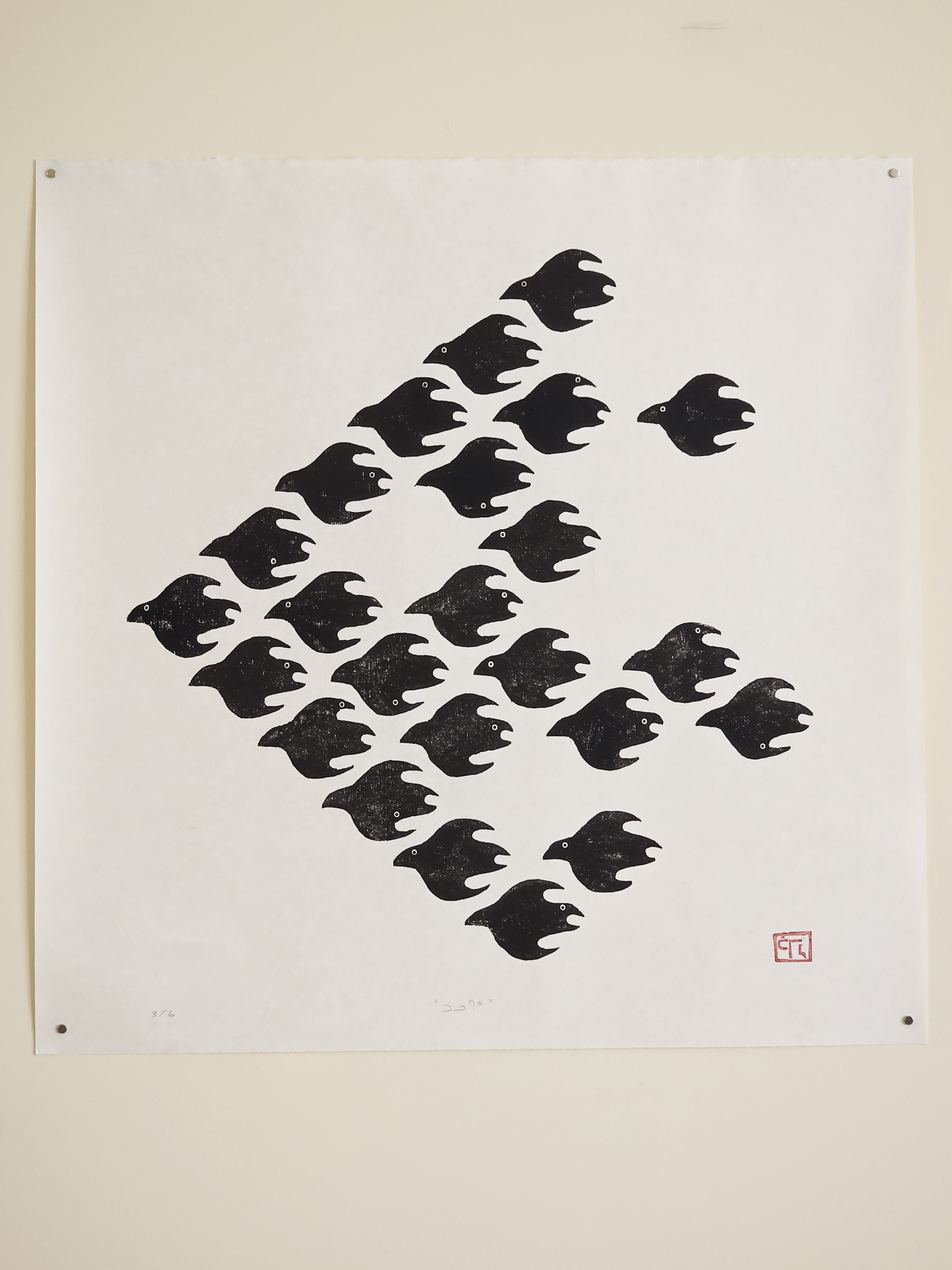
ᑐᕓᔮᕈᑦ | Juillet | July
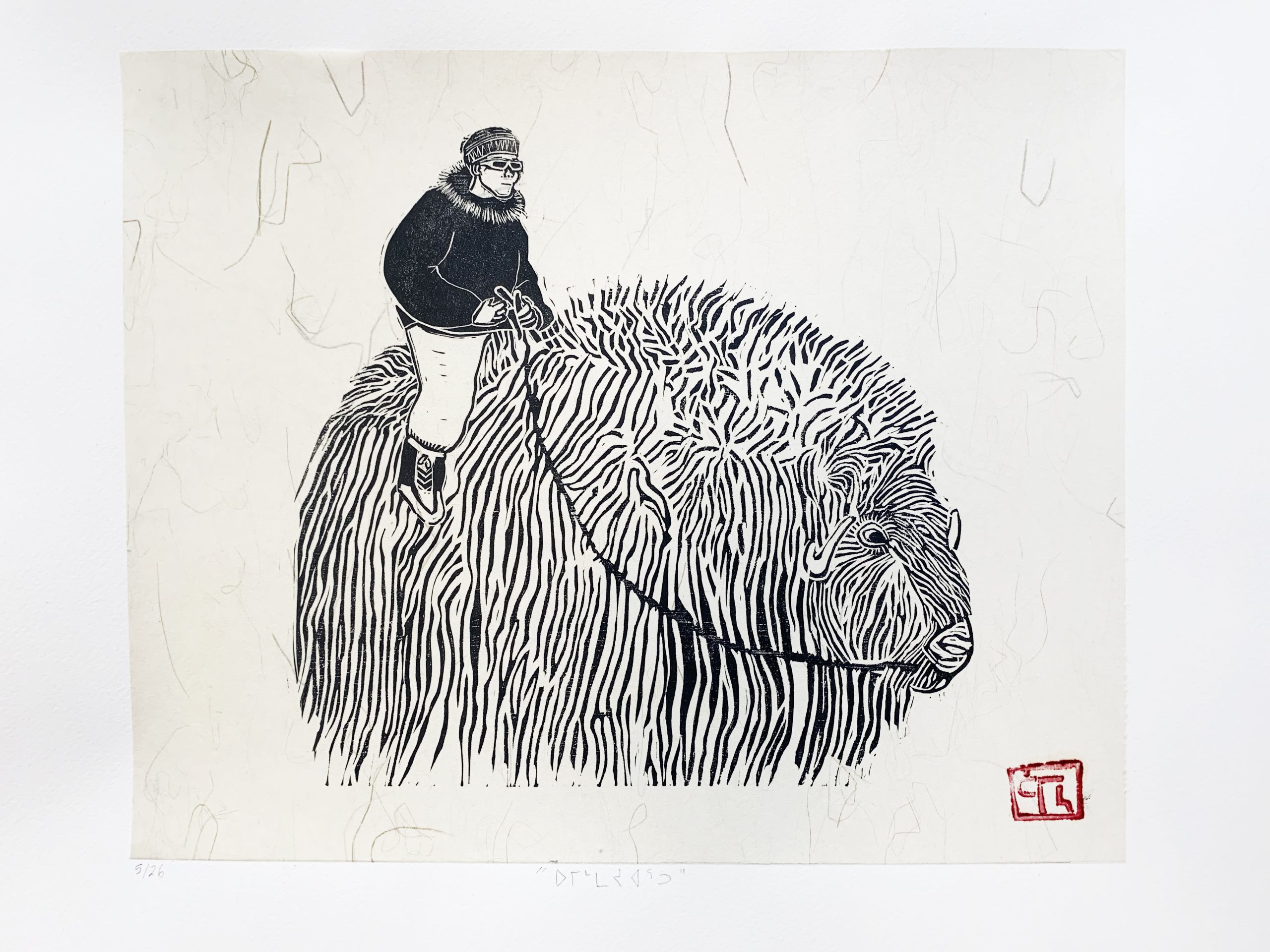
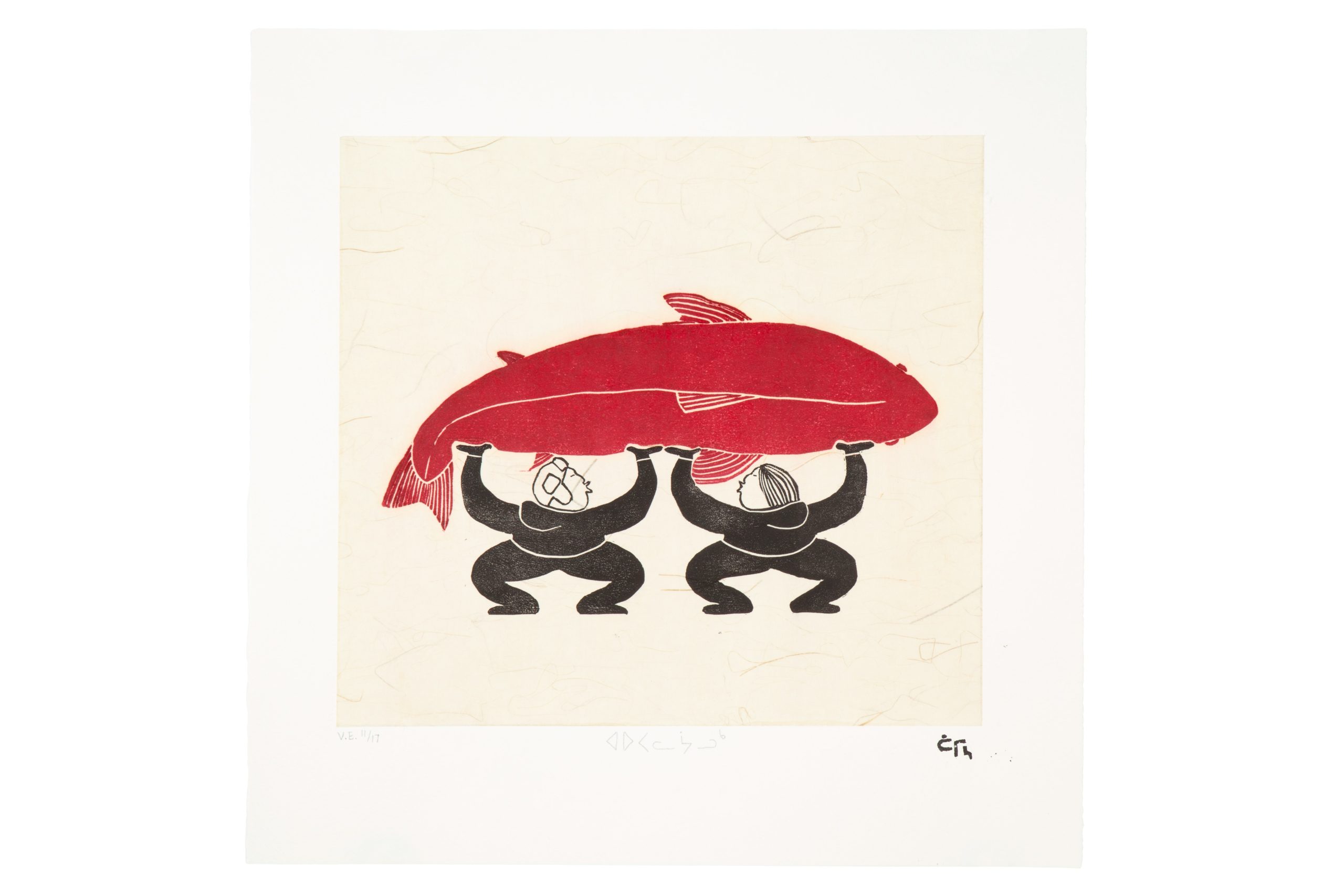
ᑑᒪᔅ ᕗᐃᑦᓕ ᑕᑯᒥᓇᕐᑐᓕᐅᕐᑎ ᐊᒻᒪᓗ ᑎᒻᒥᔫᕐᑎᐅᓱᓂ ᑰᑦᔪᐊᒥᐅᖅ ᐊᒻᒪᓗ ᑯᐯᒃ ᓯᑎᒥᐅᒍᑦᓱᓂ. ᐃᓚᓕᒃ ᕿᔪᓐᓂᒃ ᓴᓇᓯᑎᓂᒃ ᐊᒻᒪᓗ ᓴᓇᖕᖑᐊᓯᑎᐅᓯᒪᖏᓐᓇᓱᓂ. ᐅᓪᓗᒥᓂᑕᕐᓯᐅᑎᒃ ᐃᓄᒃ ᐊᖑᑎᒃ ᐱᕕᑦᓴᖃᕈᓐᓇᓲᖅ ᓄᓇᕕᐅᑉ ᕿᓚᖓᑎᒍᑦ ᑎᒻᒥᔫᕐᐸᓱᓂ, ᓄᓇᒥ ᐆᒪᔪᕐᓯᐅᕕᖃᕐᐸᓱᓂ, ᐊᒻᒪᓗ ᕿᔪᓐᓂᒃ ᓴᓇᓲᒍᑦᓱᓂ ᐃᓚᒥᑕ ᓴᓇᕕᖓᓂ. ᓇᑯᕐᒪᑦ ᑲᑎᕕᒃ ᐃᓕᓴᕐᓂᓕᕆᓂᖅ, ᐊᒥᓱᐃᓂᒃ ᑕᑯᒥᓇᕐᑐᓕᐅᕈᓯᓕᕆᔨ ᓴᓇᖕᖑᐊᑎ ᑰᑦᔪᐊᓕᐊᓚᐅᕐᓯᒪᒻᒪᑦ 2022-ᒥ ᓇᑏᓐ ᐸᕆᑐ ᑲᔪᓯᑎᑦᓯᒋᐊᕐᑐᓱᓂ ᐸᑦᑎᑎᒐᓕᐅᕐᓂᒥᒃ, ᑑᒪᔅ ᐱᓯᑎᖕᖑᕕᖃᓚᐅᕐᓯᒪᔪᖅ ᐸᑦᑎᑎᒐᓕᐅᕐᓂᒥᒃ. ᑑᒪᔅ ᐊᓕᐊᒋᔭᖃᓪᓚᕆᑦᑐᖅ ᑕᑯᒥᓇᕐᑐᓕᐅᕐᓂᓂᒃ ᐊᒻᒪᓗ ᓇᔪᕐᑎᓕᕕᓂᐅᑦᓱᓂ ᐊᓪᓚᖑᐊᕐᕕᒥᓂᒃ, ᑌᑦᓱᒪᓂᓂᑕᒐ, ᖃᐅᔨᒪᓚᐅᕐᓯᒪᖕᖏᑐᖅ ᓴᓇᖕᖑᐊᓂᕐᒥᒃ ᐱᓇᓱᒐᖃᓪᓚᕆᓚᖓᒋᐊᒥᒃ. ᑕᕝᕙᓂ ᐃᓕᓐᓂᐊᑎᑦᓯᓂᕐᒥ ᑲᑎᒪᓂᐊᕈᓯᕐᒥ, ᓄᐃᑦᓯᓯᒪᔪᖅ ᐱᖓᓱᓂᒃ ᐱᔪᑦᓴᐅᓛᓕᐅᒥᒍᑎᒋᑦᓱᒋᑦ ᑕᑯᒥᓇᕐᑐᓕᐅᕐᓂᒧᑦ ᐃᓕᕕᒋᓚᕿᐅᑎᒋᑦᓱᒋᑦ : ᐅᒥᒻᒪᔪᐊᕐᑐ, ᐊᖑᑎᖕᖑᐊᖅ ᐅᒥᒻᒪᐅᑉ ᖄᖓᓅᕐᑐᖑᐊᖅ : ᑰᓛᓗᒃ, ever cool man, ᐅᓪᓗᒥᓂᑕᖕᖑᐊᖅ ᐊᖑᑎᖕᖑᐊᖅ ᐊᑎᒋᓯᒪᑦᓱᓂ, ᓄᑖᔮᓐᓂᒃ ᐃᒡᒐᓯᒪᑦᓱᓂ ᐊᒻᒪᓗ ᑎᕐᕿᐊᓕᒃᑲᓱᓂ : ᐊᒻᒪᓗ ᐊᐅᐸᓚᔮᓗᒃ, ᐃᓄᖕᖑᐊᒃ ᒪᕐᕉᒃ ᑎᒍᒥᐊᕐᑑᒃ ᐃᓲᕐᒥᒃ, ᐱᓇᓱᐊᕐᓯᒪᔭᖏᑦ ᐊᑦᔨᒐᓛᒍᑎᑕᐅᒍᓐᓇᑐᑦ ᐱᓯᑎᒻᒪᕆᐅᓲᑦ ᑕᑯᒥᓇᕐᑐᓕᐅᕐᑏᑦ ᓴᓇᖕᖑᐊᓲᖏᑦᑕ ᑭᖕᖓᒥᐅᑦ.
ᑲᑎᓯᓐᓂᕋᒥ ᓇᑏᓐᒥᒃ, ᑑᒪᔅ ᑕᑯᔭᕐᑐᓯᒪᓕᕐᑕᖓ ᓄᓇᖓᓄᑦ Campbell River-ᒧᑦ, ᐱᓇᓱᐊᖃᑕᐅᒻᒥᒪᑦ Kwakwaka’wakw ᓄᓇᓕᑐᖃᑦᓴᔭᓂᒃ ᐃᓚᐅᑦᓱᓂ Hamdzatsi-ᐃᑦ ᐃᓚᒌᑦᑐᓂᐊᕆᓯᒪᔭᖏᓐᓄ. ᑖᕗᖕᖓᐸᑦᓱᓂ ᐱᕙᓪᓕᐊᑎᑦᓯᓯᒪᓕᕐᑐᖅ ᕿᔪᐃᑦ ᐊᑐᕐᓱᒋᑦ ᐸᑦᑎᑎᒐᓕᐅᕐᓂᒥᒃ ᐊᒻᒪᓗ ᑲᑎᕐᓱᐃᕙᓪᓕᐊᓯᒪᓕᕐᓱᓂ ᓴᓇᕐᕈᑎᓂᒃ ᐊᓐᓂᓇᕐᑐᖁᑎᒋᓕᕐᓱᒋᑦ.
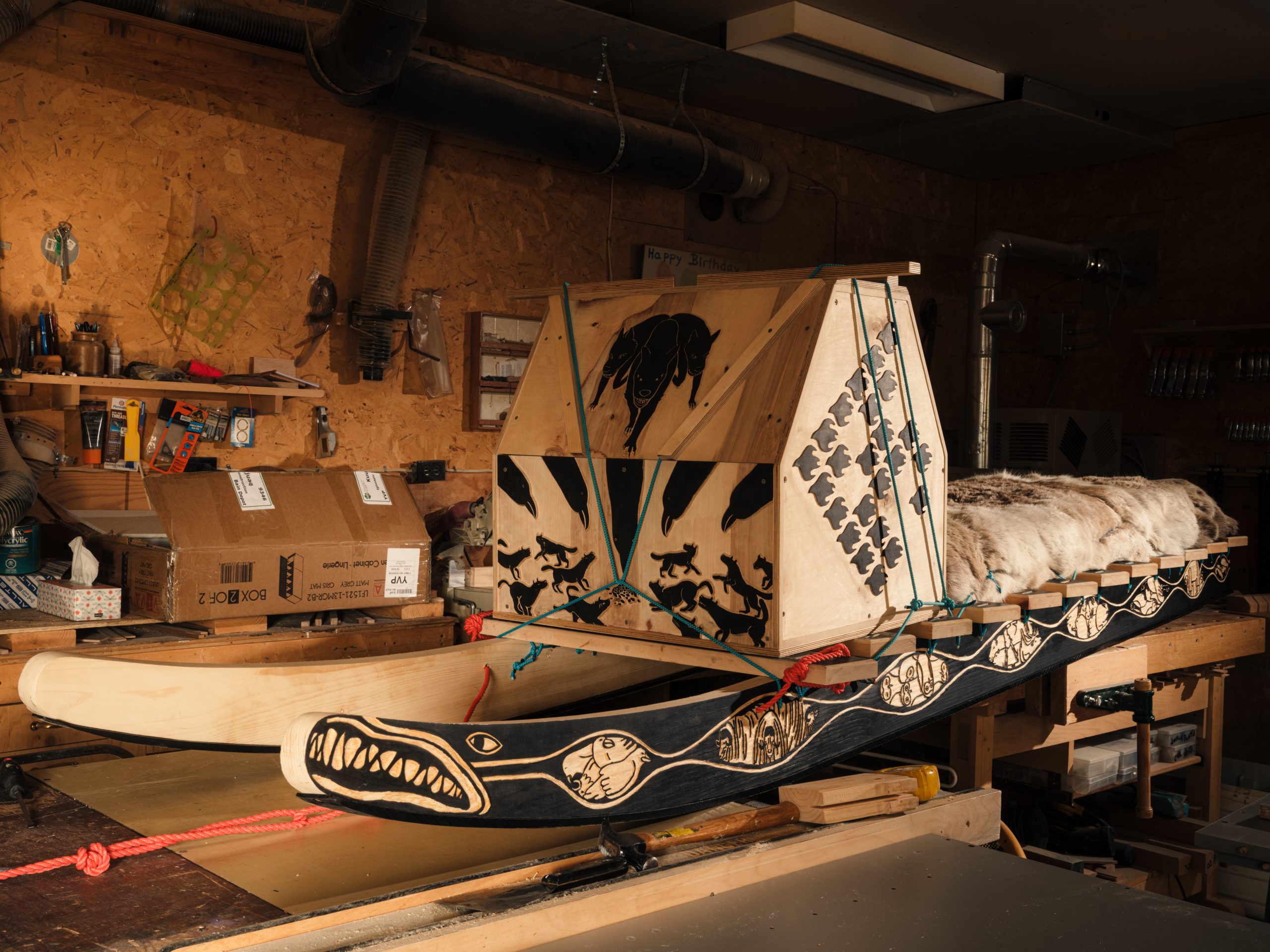
2024-ᒥ, ᖃᒧᓯᐅᕐᐸᓕᐊᓕᕐᑐᕕᓂᖅ, ᐃᓄᐃᑦ ᐱᐅᓯᑐᖃᖓᑎᒍᑦ ᕿᒧᑦᓯᐅᑎᓂᒃ. ᐃᓱᒪᑖᓚᕿᐅᑎᕕᓂᖏᑦ ᓄᐃᑦᓯᓚᖓᓕᕐᓱᓂ ᐸᑦᑎᑎᒐᓕᐊᒐᕐᓂᒃ ᐃᓘᓐᓇᖏᓐᓂᒃ ᖃᒧᑎᐅᑉ ᐃᓚᓕᒫᖏᓐᓂᒃ. ᑖᒃᑯᐊ ᑕᑯᑦᓴᐅᑎᑦᓯᔪᑦ ᐊᑦᔨᒌᖕᖏᑐᓂᒃ ᐃᓕᖓᑦᓱᑎᒃ ᐃᓗᒡᒍᓯᕆᔭᒧᑦ ᐊᒻᒪᓗ ᐆᒪᔪᖏᓐᓄᑦ ᓄᓇᓕᓕᒫᑦ. ᓄᐃᑦᓯᓚᕿᓯᒪᔪᖅ ᐊᑦᔨᖃᖕᖏᑑᓐᓂᒃ ᖃᒧᑏᓐᓂᒃ, ᐊᖏᔪᕐᓚᐅᑎᓗᒋᑦ ᐊᑦᔨᓕᐅᕐᓯᒪᓕᕐᓱᓂ ᖃᒧᑎᐅᑉ ᓱᓇᑕᓕᒫᖏᓐᓂᒃ. ᐱᓇᓱᐊᕐᓯᒪᔭᓕᒫᖏᑦ ᓄᐃᑕᑎᑕᐅᓚᐅᔫᑦ ᐃᓚᐅᑎᓗᒋᑦ ᑕᑯᒥᓇᕐᑐᓕᐅᕐᑎᐅᑉ ᐃᓄᑑᑦᔨᓱᓂ ᑕᑯᑦᓴᐅᑎᑦᓯᓂᖓᓄ La Guilde-ᒥ 36-ᒍᒍᑎᖓᓂ ᑲᔪᓯᑎᑕᐅᓂᖓᑕ ᐆᒪ Festival international Présence autochtone 2026 ᐊᐅᔭᖓᓂ, ᐊᒻᒪᓗ ᑰᑦᔪᐊᒧᑦ ᐅᑎᓛᕐᓱᓂ Path to 100 Year Festival-ᒧᑦ (ᐊᕐᖁᑎᒃ 100-ᐅᒍᑎᒧᑦ ᐊᕐᕌᒍᒧᑦ ᑲᑎᖕᖑᐊᑎᑦᓯᓂᕐᒧᑦ, ᑐᑭᓯᓇᕐᑎᓯᐅᑎᖏᑦ ᑲᒪᒋᔭᐅᑎᓗᒋᑦ ᐊᓯᓐᓇᔭᕐᒧᑦ.
ᑑᒪᔅ ᐃᓱᒪᓚᐅᕐᓯᒪᓚᐅᔪᖕᖏᑐᖅ ᑕᑯᒥᓇᕐᑐᓕᐅᕐᑎᐅᓂᕐᒧᑦ ᓄᐃᓚᕿᓲᒥᓄᑦ ᐱᓪᓚᕆᑦᓯᐊᕋᔭᕆᐊᒥᒃ ᐅᓪᓗᒥ ᐱᓚᕿᓯᒪᓕᕋᒥ. ᑲᑎᓯᓚᐅᔪᑦᓱᓂ ᓇᑏᓐᒥᒃ, ᓄᐃᑕᑎᑕᐅᓯᒪᓕᕐᑐᑦ CRAG-ᒥ ᕚᓐᑰᕙᐅᑉ ᕿᑭᕐᑕᖓᓂ Vancouver Island, ᐅᕙᓂ La Guilde ᒪᓐᑐᔨᐊᓚᒥ, ᐊᒻᒪᓗ ᑏᕕ ᓴᓇᖕᖑᐊᓯᒪᔪᖃᐅᑎᒥ ᑰᑦᔪᐊᒥ. ᐃᓚᐅᑲᐱᓛᓕᕐᓱᓂ ᓴᓇᖕᖑᐊᕆᐊᕐᑐᕕᓕᐊᕐᑐᓄᑦ ᑭᒡᒐᑐᕐᓂᑎᒍᑦ Atelier de l’Île-ᒥ Val-David-ᒥ, ᐸᑦᑎᑎᒐᓕᐅᕐᕕᒥ, ᐁᑉᐸᖃᕐᓗᓂ ᐊᑭᓇᓯ ᐹᑐᕆᑦᔅᒥᒃ, ᓄᓇᕕᒻᒥᐅᒍᒻᒥᓱᓂ ᓴᓇᖕᖑᐊᑎᐅᒻᒥᔪᒥᒃ. ᐱᓇᓱᐊᕈᑦᔨᐅᑎᒃ S’enforester, ᓭᒪᓇᕐᑐᒦᑦᑐᖅ ᑲᑎᑎᑦᓯᓂᐅᓛᕐᑐᖅ ᐃᓄᓐᓂᒃ ᐊᒻᒪᓗ ᐃᓄᑐᐃᓐᓇᐅᖏᑦᑐᓂᒃ ᑕᑯᒥᓇᕐᑐᓕᐅᕐᑎᓂᒃ ᑕᑯᔭᐅᑎᒋᐊᕐᑐᓗᑎᒃ ᐊᕐᖁᑎᒋᓗᒋᑦ ᑕᑯᒥᓇᕐᑐᓕᐅᕐᓯᑎᐅᓂᖏᑦ ᑕᑯᑦᓴᐅᑎᑦᓯᒍᓐᓇᑐᓂᒃ ᖃᓄᐃᓕᖓᐅᑎᓂᖏᓐᓂᒃ ᓄᓇᐅᑉ ᐊᒻᒪᓗ ᖃᓄᐃᖕᖏᓯᐊᕐᓂᐅᑉ.
ᐸᑦᑎᑎᒐᓕᐅᕐᓂᖅ ᐱᓇᓱᐊᕐᑕᐅᒪᕆᑦᓯᒪᔪᖅ 1970-ᓂ ᓇᑯᕐᒪᑕ ᑯᐊᐯᑦ. ᑌᑦᓱᒪᓂᓂᑦ, ᑭᓯᐊᓂ, ᐸᑦᑎᑎᒐᓕᐅᕐᓂᖅ ᓄᐃᑕᑦᓯᐊᕈᓐᓀᓯᒪᒻᒪᑦ ᑑᒪᔅ ᐃᓚᐅᓚᕿᓯᒪᔪᖅ ᐊᒥᓲᖕᖏᑐᓄᑦ ᓄᓇᕕᒻᒥᐅᓄᑦ ᐃᓄᓐᓄᑦ ᐃᓚᒋᓕᐅᑎᓯᒪᓕᕐᓱᓂ ᑐᖓᓕᖏᓐᓄᑦ ᐅᓪᓗᒥ ᐃᓅᓕᕐᑐᑦ ᐸᑦᑎᑎᒐᓕᐅᕐᑎᓄᑦ. ‘’ᐃᒻᒥᓂᒃ ᓱᓕ ᑕᑯᓐᓇᑐᖓ ᑲᔪᓯᓚᖓᓂᕋᓂᒃ ᑎᒻᒥᔫᕐᑎᐅᓂᕐᒥᒃ, ᐆᒪᔪᕐᓯᐅᑎᐅᓂᕐᓂᒃ ᐊᒻᒪᓗ ᐸᑦᑎᑎᒐᓕᐅᕐᑎᐅᓂᕐᒥᒃ,’’ ᓚᓚᐅᕐᑐᖅ.
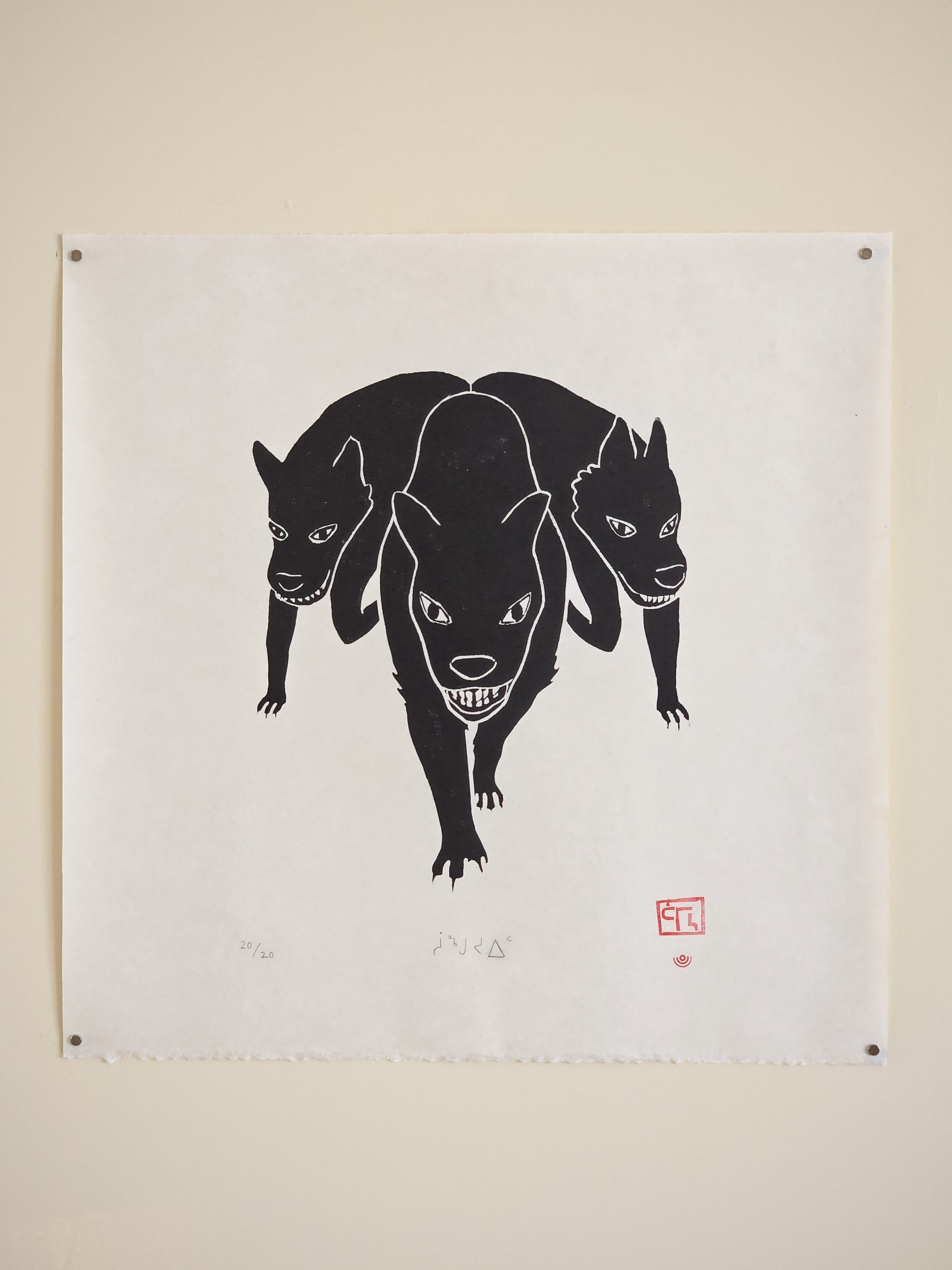
Thomas Whiteley est un artiste et pilote d’avion originaire de Kuujjuaq et de la ville de Québec. Il vient d’une famille d’ébénistes et a toujours eu la fibre artistique. C’est un homme inuk moderne qui partage son temps entre voler dans les airs du Nunavik, parcourir la toundra en mode chasse, mais également pratiquer le travail du bois dans l’atelier de la famille. C’est grâce à Kativik Ilisarniliriniq que Nadine Bariteau, une artiste multidisciplinaire, est allée à Kuujjuaq pour donner des ateliers de gravure en 2022 et que Thomas a approfondi sa maîtrise de cette pratique. Thomas était passionné d’art, il avait son carnet de croquis, mais jusqu’à ce moment, il ne se doutait pas qu’il avait une carrière artistique devant lui. Lors de cette formation, il fait trois œuvres qui le propulsent dans le monde de l’art : « Ummimajuartu », un homme qui monte sur un bœuf musqué ; « Kuulaaluk, ever cool man », le portrait d’un homme inuk moderne, vêtu d’un parka, de lunettes sportives et d’une casquette ; et « Aupalajaaluk », deux personnes qui tiennent un poisson géant, une œuvre qui peut sembler rendre hommage au style connu, par exemple, chez les artistes de Cape Dorset.
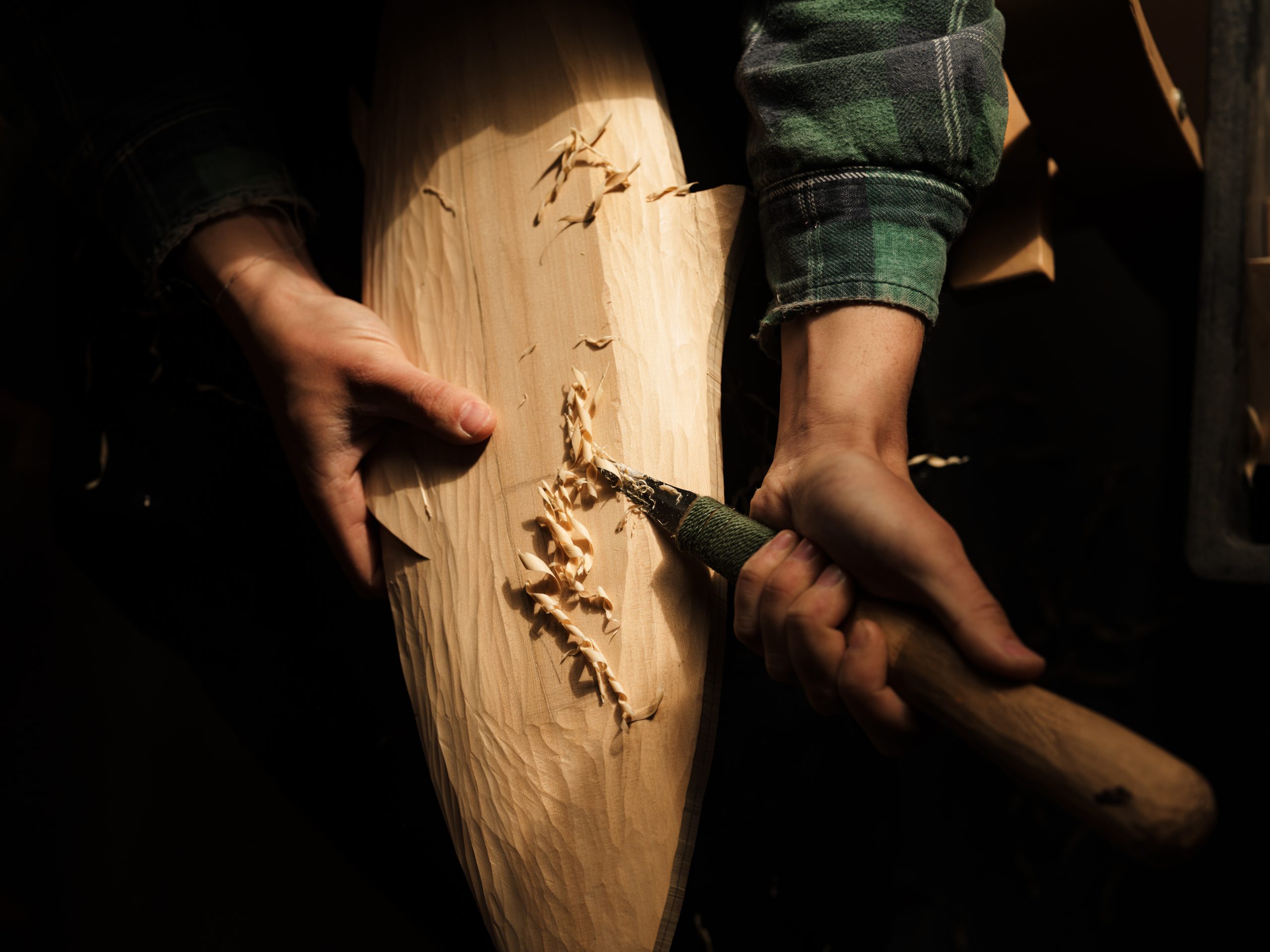
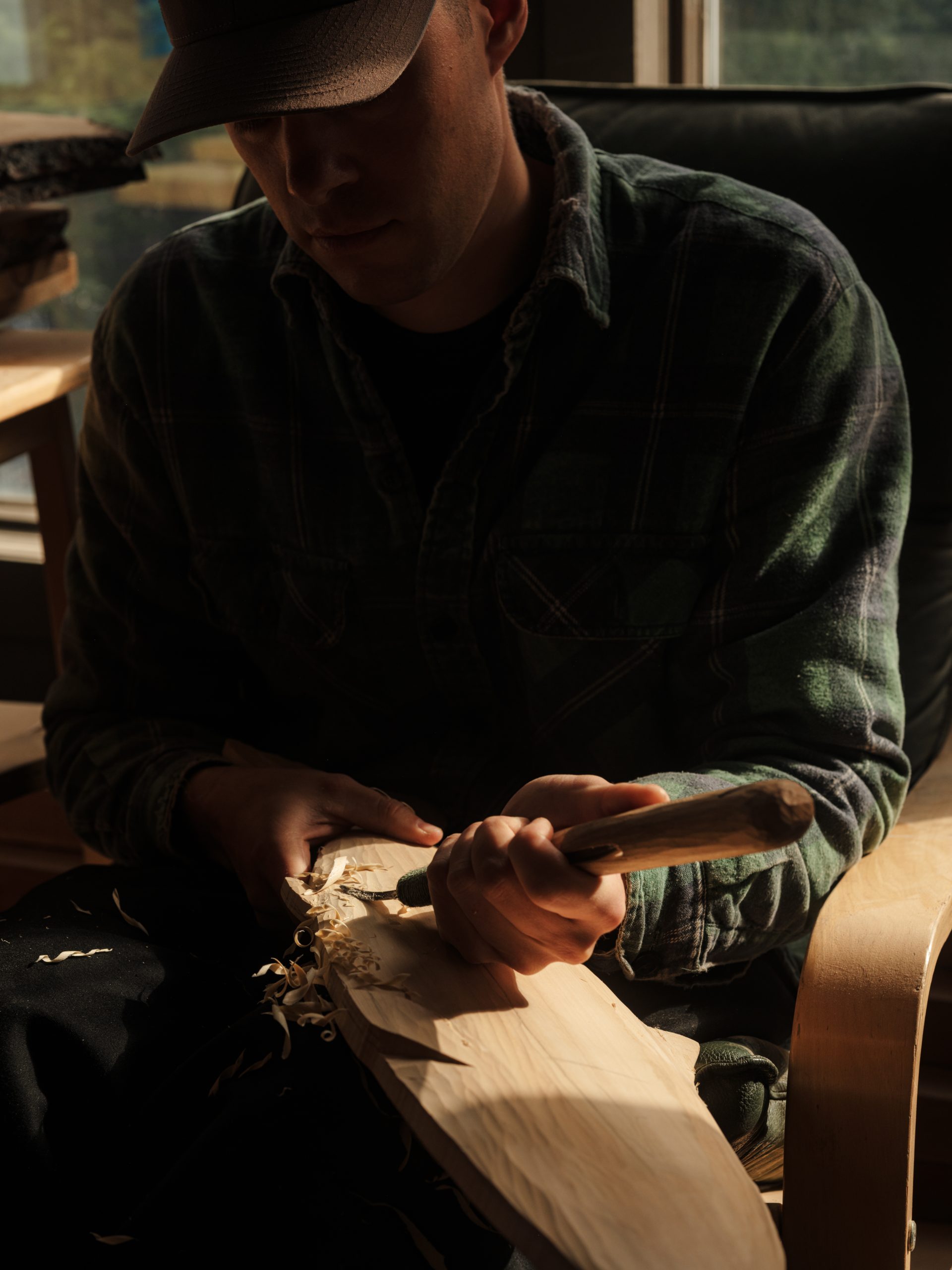
Depuis sa rencontre avec Nadine, Thomas a eu à plusieurs reprises l’opportunité d’aller lui rendre visite à Campbell River, où elle travaille également avec le peuple Kwakwaka’wakw sous le collectif Hamdzatsi. Ses visites lui ont permis de développer sa pratique de gravure sur bois et de se bâtir une collection d’outils qu’il chérit.
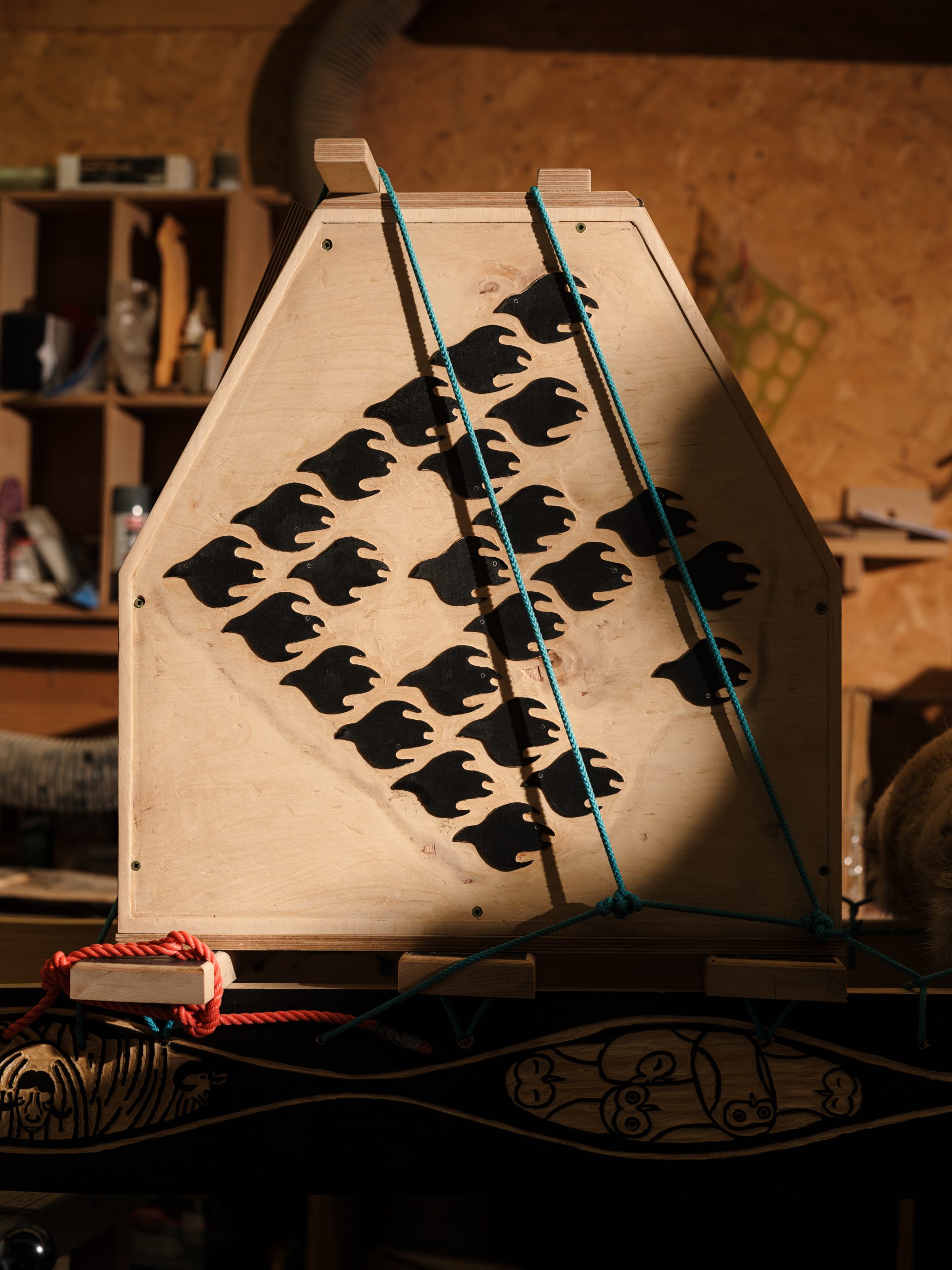
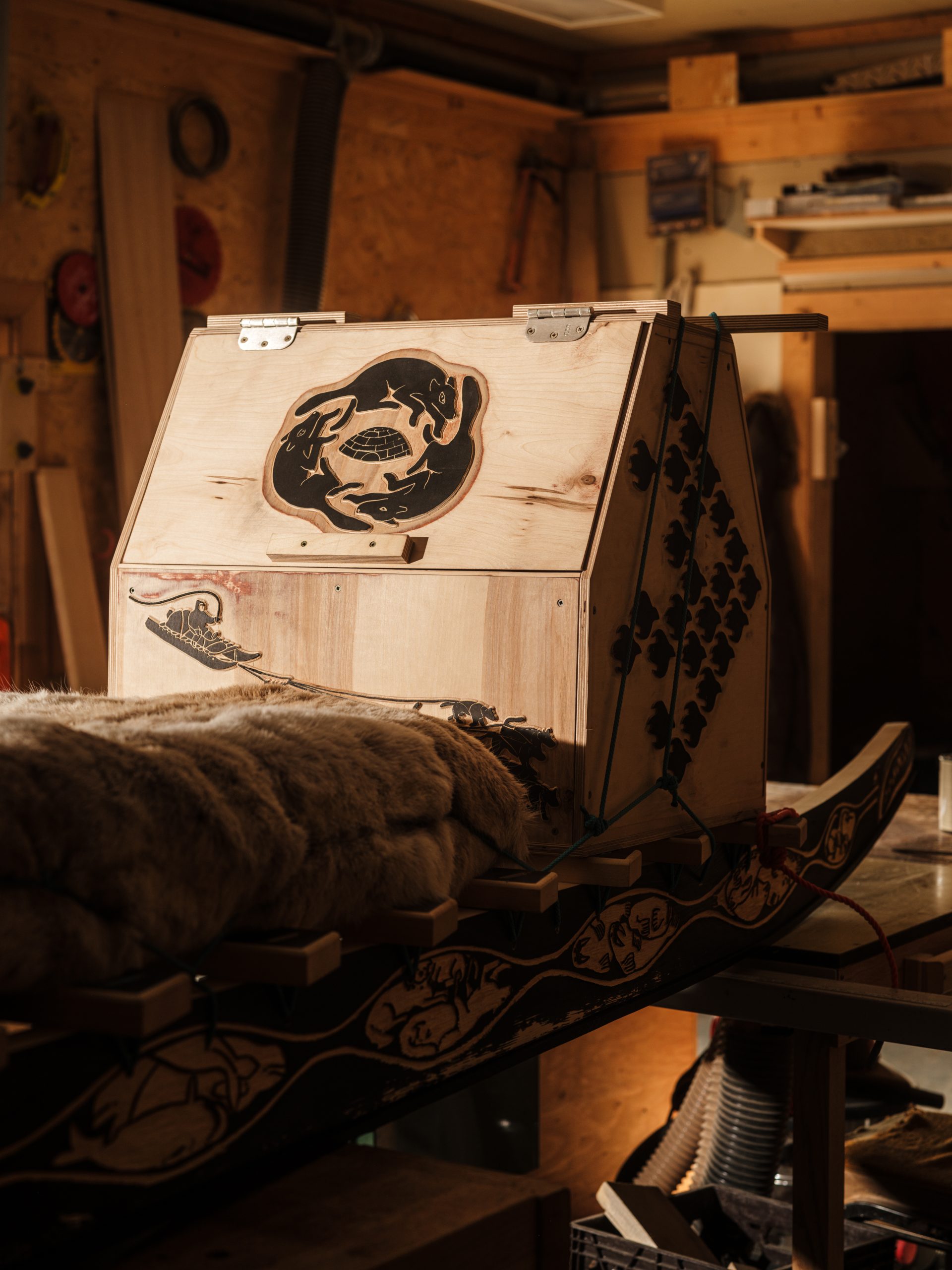
En 2024, il entreprend la construction d’un qamutik, un traîneau à chiens traditionnel. L’idée vient alors de faire des gravures sur chaque surface du traîneau. Celles-ci représentent différentes scènes reliées à la culture et à la faune de la région. Le résultat crée non seulement un traîneau unique, mais aussi des estampes de grands formats imprimées à partir des surfaces du traîneau. L’ensemble de l’œuvre a été exposé dans la première exposition solo de l’artiste à La Guilde pour la 36e édition du Festival international Présence autochtone à l’été 2026 et retournera à Kuujjuaq pour le « Path to 100 », commissarié par asinnajaq. Jamais Thomas ne se serait douté que sa pratique artistique connaîtrait le succès qu’il vit aujourd’hui. Depuis sa rencontre avec Nadine, son travail a été exposé au CRAG, sur l’île de Vancouver, à La Guilde, à Montréal, et à la galerie Tivi, à Kuujjuaq. Il partira sous peu en résidence à Val-David, à l’Atelier de l’île, un centre de production en art imprimé, aux côtés d’Akinasi Partridge, aussi graveur originaire de Kuujjuaq. Le programme « S’enforester, ᓭᒪᓇᕐᑐᒦᑦᑐᖅ » mettra des artistes inuit et non inuit en lumière autour d’une démarche artistique qui met en relation le territoire et le bien-être.
La gravure était communément pratiquée dans les années soixante-dix grâce aux coopératives du Nouveau-Québec, mais, depuis, le déclin de cette discipline fait de Thomas l’un des rares jeunes Inuit du Nunavik à faire partie de la relève. « Je me vois continuer à être pilote d’avion, chasseur et graveur », partage-t-il.
Thomas Whiteley is an artist and airplane pilot from Kuujjuaq and Quebec City. He comes from a family of woodworkers and has always had an artistic streak. He is a modern Inuk man who divides his time between flying through the skies of Nunavik, travelling across the tundra on hunting trips, and practising woodworking in the family workshop. Thanks to Kativik Ilisarniliriniq, multidisciplinary artist Nadine Bariteau travelled to Kuujjuaq in 2022 to lead printmaking workshops, where Thomas further developed his skills in the medium. Thomas was passionate about art and kept a sketchbook, but until then, he had no idea that an artistic career lay ahead of him. During this workshop, he created three works that propelled him into the art world: Ummimajuartu, depicting a man climbing onto a muskox; Kuulaaluk, ever cool man, a portrait of a modern Inuk man wearing a parka, sporty glasses and a cap; and Aupalajaaluk, depicting two people holding a giant fish, a work that may be seen as paying homage to the style associated with artists from Cape Dorset.
Since meeting Nadine, Thomas has had several opportunities to visit her in Campbell River, where she also works with the Kwakwaka’wakw people as part of the Hamdzatsi collective. These visits have allowed him to develop his woodblock printmaking practice and build a collection of tools that he cherishes.
In 2024, he began building a qamutik, a traditional dog sled. This gave him the idea of creating prints on every surface of the sled. These depict various scenes connected to the culture and wildlife of the region. The result is not only a unique sled, but also large-format prints made from the sled’s surfaces. The entire body of work was exhibited as part of the artist’s first solo exhibition at La Guilde during the 36th edition of the Festival international Présence autochtone in the summer of 2026, and will return to Kuujjuaq for Path to 100 Year Festival, curated by asinnajaq.
Thomas never imagined that his artistic practice would achieve the success he is experiencing today. Since meeting Nadine, his work has been exhibited at CRAG on Vancouver Island, at La Guilde in Montreal, and at Tivi Gallery in Kuujjuaq. He will soon take part in a residency in Val-David at Atelier de l’Île, a printmaking production centre, alongside Akinasi Partridge, another Nunavik artist. The programme S’enforester, ᓭᒪᓇᕐᑐᒦᑦᑐᖅ will bring Inuit and non-Inuit artists into the spotlight through an artistic approach that explores the relationship between land and well-being.
Printmaking was widely practised in the 1970s thanks to the Coops Since then, however, the decline of this discipline has made Thomas one of the few young Inuit in Nunavik to be part of the next generation of printmakers. “I see myself continuing to be an airplane pilot, a hunter and a printmaker,” he says.
ᐊᓪᓚᑐᖅ | Texte de | Text by: Olivia Lya Thomassie