ᓄᕐᕋᓕᐅᑦ | Mai | May
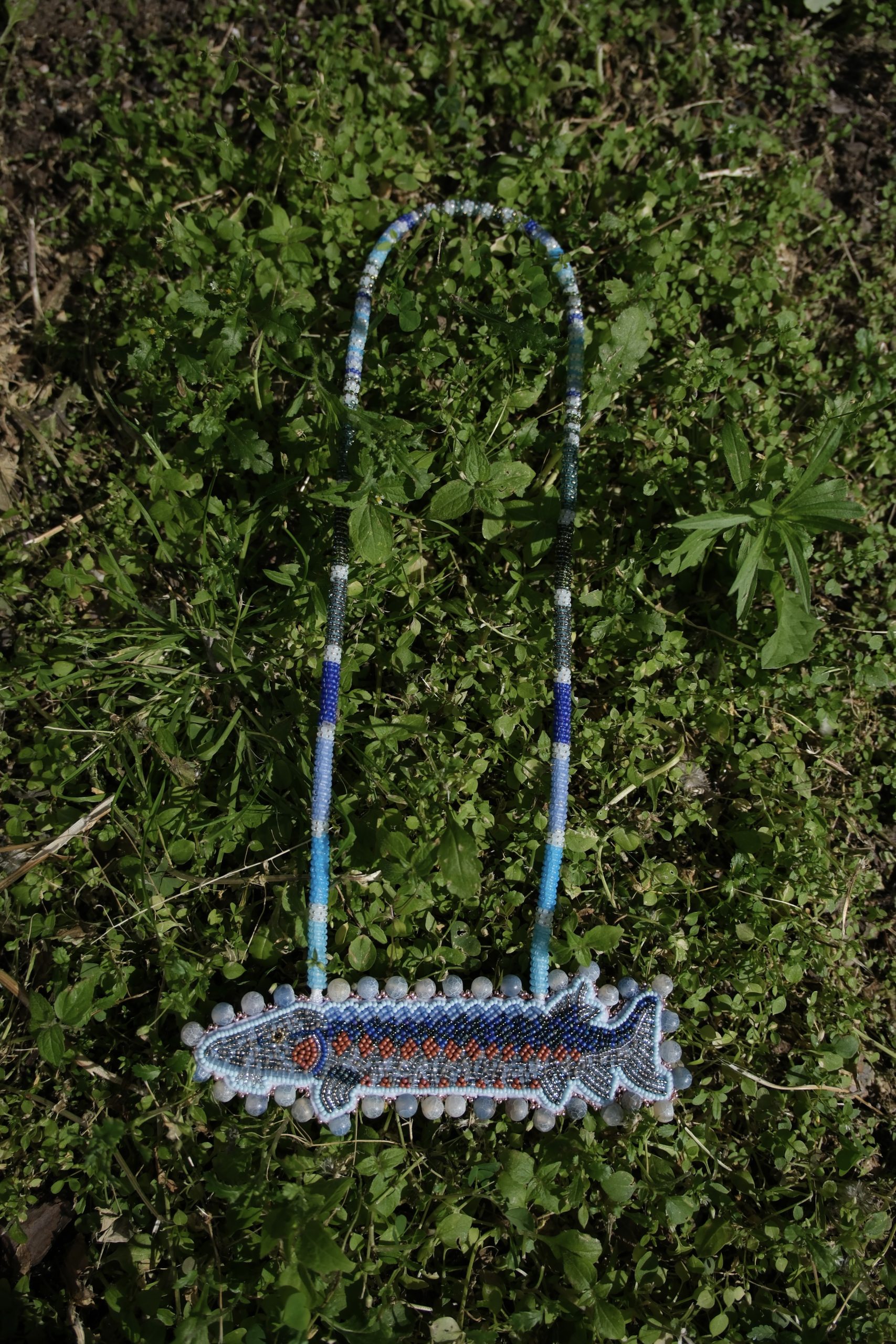
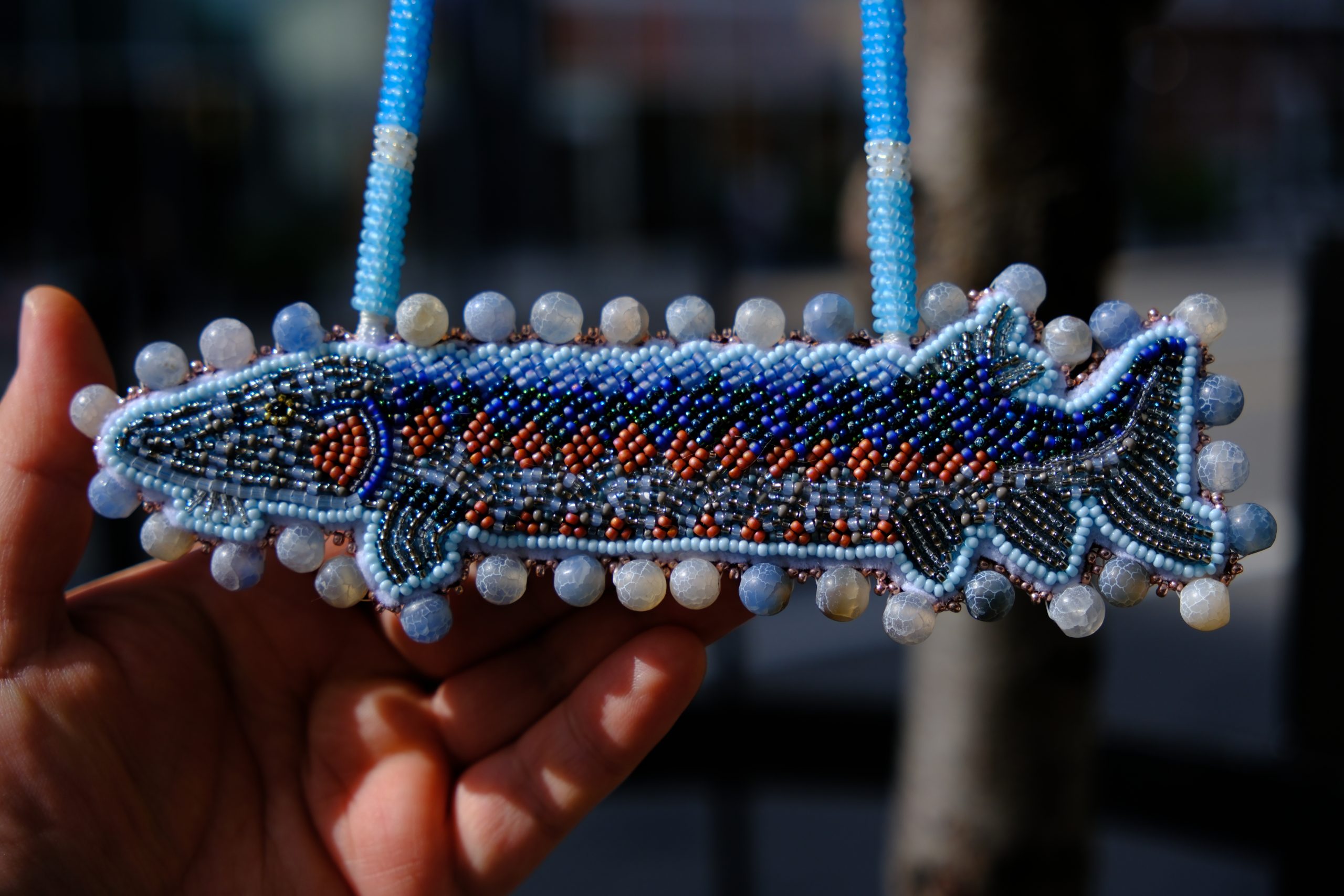
ᐁᓴ ᐸᑐᕆᑦᔅ ᒪᕐᕈᐃᓕᖓᔪᖅ ᑕᕐᓂᖓ ᐊᒥᓱᐃᓂᒃ ᑕᑯᒥᓇᕐᑐᓕᐅᕈᓐᓇᓱᓂ.. ᐊᓈᓇᒥᓄᑦ, ᑕᕐᕋᓕᒃ ᐸᑐᕆᑦᔅᒧᑦ ᐃᓕᓐᓂᐊᑎᑕᐅᔪᕕᓂᖅ ᐅᑭᐅᖃᕐᑎᓗᒍ ᓯᑕᒪᓂᒃ ᐱᖁᓯᐅᒋᐅᕐᓴᑎᑕᐅᑦᓱᓂ ᓴᐸᖓᓂᒃ ᑕᑯᒥᓇᕐᑐᓕᐅᕆᐅᕐᓴᑎᑕᐅᑦᓱᓂ, ᑭᓯᐊᓂ ᐊᕐᕌᒍᐃᑦ ᐊᕙᑏᑦ ᐊᓂᒍᕐᑎᓗᒋᑦ ᑫᓪᓗᑐᕐᑕᐅᓯᔪᕕᓂᖅ ᑲᔪᓯᖁᔭᐅᑦᓱᓂ ᐱᖁᓯᐅᕐᓂᒥᒃ. ᐊᕐᕌᒍᐃᑦ ᐊᓂᒍᕐᐸᓕᐊᑎᓗᒋᑦ ᐱᓯᑎᖕᖑᐸᓪᓕᐊᔪᕕᓂᖅ ᐱᒐᓱᐊᒻᒪᕆᐅᑎᖃᕐᓯᒪᒐᓗᐊᕐᓱᓂ ᓇᒻᒥᓂᖅ ᑕᑯᒥᓇᕐᑐᓕᐊᕆᒍᓯᒥᓂᒃ ᐊᑐᕐᓱᓂ ᐊᒻᒪᓗ ᐃᓕᓐᓂᐊᓱᒋᑦ ᐱᔭᕆᐊᑑᑦ ᐱᖁᓯᐅᕈᓰᑦ/ᓴᐸᖓᓕᐅᕈᓰᑦ. ᐱᔪᑦᓴᐅᔮᕐᑎᑕᐅᓯᒪᓲᖅ ᐃᓘᓐᓀᓄᑦ ᐊᑑᑎᓯᒪᔭᒥᓄᑦ ᐃᓅᓯᕐᒥᓂ: ᐱᕈᕐᓴᓱᓂ ᐊᓪᓚᓴᔭᐅᑦᓱᓂ ᒨᖄᒃᖑᑦᓱᓂ ᐊᒻᒪᓗ ᐃᓄᑦᓴᔭᐅᑦᓱᓂ, ᐊᓈᓇᒌᒃ ᐱᓇᓱᐊᖃᑎᒌᖃᑦᑕᑐᕕᓃᒃ ᐊᒻᒪᓗ ᔮᐸᓃᓰᑦ ᐃᓗᒡᒍᓯᑦᓴᔭᖏᓐᓂᒃ ᓄᐃᑎᕆᕙᑦᓱᑎᒃ. 2020-ᒥ, ᐁᓴ ᐃᓚᐅᓯᒪᔪᖅ ᖃᕆᑕᐅᔭᒃᑯᑦ ᑕᑯᑦᓴᐅᑎᑦᓯᓂᕐᒧᑦ ᓂᑯᕐᕋᖃᑎᒌᑦ ᐊᕐᖁᑎᒋᑦᓱᒍ ᑕᑯᒥᓇᕐᑐᓕᐅᕐᓂᖅ, ᑕᕝᕙᓂ ᐱᕕᑦᓴᑖᓚᕿᔪᕕᓂᖅ ᑕᑯᑦᓴᐅᑎᑦᓯᒍᓐᓇᓯᑦᓱᓂ ᓇᒻᒥᓂᖅ ᐃᓱᒪᒥᒍᑦ ᐃᓂᕐᐸᑕᒥᓂᒃ ᐊᓪᓚᖑᐊᕐᑏᑦ ᓄᐃᒋᐊᒻᒪᕆᑦᑎᓗᒋᑦ. ᑕᒪᓐᓇ ᑐᑭᖃᑦᓯᐊᓂᖃᕐᑎᓯᒪᔭᖓ ᐱᕕᑦᓴᓯᐊᕆᑦᓱᒍ, ᐊᓕᐊᑦᑐᕕᓂᖅ, ᐸᕐᓀᑎᓄᑦ ᑕᑯᔭᐅᒍᑎᒋᓐᓂᕋᒥᐅᒃ ᐱᓯᑎᐅᒍᑎᖏᑦ. ᐃᒣᓕᒋᐊᓪᓚᓚᐅᕐᑐᖅ “ᐊᓕᐊᓇᓚᐅᕐᑐᖅ ᑕᑯᒋᐊᒥᒃ ᓄᑖᓂᒃ ᑕᑯᒥᓇᕐᑐᓕᐅᕐᑎᓂᒃ ᐃᑲᔪᕐᓯᔭᐅᔪᓂᒃ”. 2022-ᒥ, ᐊᓈᓇᒥᓄᑦ ᓇᔭᖓᓗ ᐊᑭᓇᓯ ᐸᑐᕆᑦᔅ ᑎᓕᔭᕕᓃᒃ ᓴᓇᖕᖑᐊᖃᑕᐅᖁᔭᐅᑦᓱᑎᒃ ᐊᓈᓇᒥᓂᒃ ᐊᖏᔪᒥᒃ ᑐᐱᑦᓴᔭᒥᒃ ᐊᒪᐅᑎᐅᑦᓱᓂ ᑕᕐᓯᑐᐃᖃᑎᒌᓚᖓᑦᓱᑎᒃ, ᐊᑎᖃᕐᑎᓗᒍ ᓄᓇᒥ, ᑕᑯᔭᐅᑎᑕᐅᓚᖓᑎᓪᓗᒍ ᓄᓇᕗᑦ, ᑕᑯᒥᓇᕐᑐᓕᐊᕗᑦ ᕿᒥᕐᕈᑎᑦᓯᓂᕐᒥ ᐋᑐᕗᐊᒦᑦᑐᒥ ᑳᓇᑕᐅᑉ ᕿᒥᕐᕈᕕᖓᓂ ᓄᓇᒥᓄᐊᖓᔪᓂᒃ Canadian Museum of Nature. ᐁᓴᐅᑉ ᐱᓇᓱᐊᕆᐊᖃᕐᓯᒪᔭᖓ ᐊᒪᐅᑎᒥᒃ ᑕᕐᓯᑐᐃᓗᓂ ᐱᖁᑎᓄᑦ/ᓴᐸᖓᓄᑦ, ᐱᔪᑦᓴᐅᔮᕈᑎᒋᑦᓱᒋᑦ ᐱᕈᕐᑐᖏᑦ ᐆᒪᔪᖏᓪᓗ ᐅᑭᐅᕐᑕᑑᑉ. ᐃᒣᓕᓚᐅᕐᑐᖅ “ᐊᓕᐊᒻᒪᕆᓚᐅᔪᔪᖓ, ᐅᐱᒪᑦᓱᖓᓗ ᐃᓚᐅᒋᐊᒥᒃ ᕿᒥᕐᕈᑎᑦᓯᔪᓄᑦ ᐱᓇᓱᐊᕐᑕᕕᓂᕐᑎᓂᒃ.
ᐁᓴ ᐱᓇᓱᐊᓲᒍᒻᒥᔪᖅ ᑕᑯᓐᓇᐅᔮᕐᑎᓯᓂᕐᒥᒃ ᐊᐅᓚᔫᓕᐅᕐᓂᒥᒃ ᑕᑯᓐᓇᕋᑦᓴᓕᐅᕐᓂᒥᒃ. ᓱᓕᔪᖕᖑᐊᑐᓂ ᐃᓚᐅᓐᓂᒥᔪᖅ ᐋᕐᓰᑯᓐᓄᑦ ᐃᑲᔪᕐᓱᓂ ᓱᓇᓗᑳᖕᖑᐊᑕᖏᓐᓂᒃ, ᑕᑯᓐᓇᕋᑦᓴᓕᐅᕐᓂᒥᒃ ᐊᒻᒪᓗᐊᓪᓛᑦ ᓱᓕᔪᖕᖑᐊᒍᖃᑕᐅᑦᓱᓂ. ᑕᑯᓐᓇᐅᔮᕐᑎᓯᖃᑕᐅᑦᓱᓂ ᒥᕐᖁᐃᑐᖕᖑᐊᒍᑦᓱᓂ ᐊᑎᖃᕐᓱᓂ ᐃᑦᓯ ᑕᑯᑎᑦᓯᓱᓂ ᓄᓗᕐᒥᓂᒃ ᓯᓚᕐᕿᖁᓪᓗᒍ; ᐃᒻᒥᓂᒃ ᓇᕐᕈᓇᕐᑎᖑᐊᑦᓴᕆᐊᒥᒃ ᐊᓕᐊᑦᓯᒪᔪᖅ ᐊᓕᐊᓀᑦᑐᖑᐊᒍᒋᐊᒥᒃ. ᐸᑐᕆᑦᔅ ᐊᐅᓚᔫᓕᐅᕐᓯᒪᒻᒥᔪᖅ ᑕᑯᓐᓇᕋᑦᓴᓕᐅᕐᓯᒪᒻᒥᔪᖅ ᐃᓘᓐᓇᑕ ᓯᓚᒥ, ᑕᑯᑦᓴᐅᑎᑦᓯᒋᐊᕈᑎᒥᓂᒃ 2SLGBTQ+ ᒪᕐᕈᐃᓕᖓᔪᑦ ᑕᕐᓂᖏᑦ ᐅᕕᒃᑲᓄᐊᖓᔪᓂᒃ ᓄᓇᕐᓚᒦᑦᑐᓄᑦ ᐊᒻᒪᓗ ᖃᓄᖅ ᓄᓇᖃᕐᖄᑐᕕᓃᑦ ᐃᓗᒡᒍᓯᖏᑦ ᓄᓇᓕᖏᓪᓗ ᐱᕈᕐᐸᓕᐊᓕᕐᒪᖔᑕ ᐊᓯᑦᔨᐸᓪᓕᐊᒍᑎᖃᕐᓱᑎᒃ ᐅᕕᒃᑲᓂᒃ ᐱᔭᕐᓃᑐᓂᒃ ᓵᖕᖓᓯᕙᒃᑲᓗᐊᕋᒥᒃ. ᐊᐅᓚᔫᓕᐅᕈᓐᓇᓚᕿᔪᕕᓂᖅ ᐃᑲᔪᕐᑕᐅᓱᓂ ᐃᓚᒥᓄᑦ ᓄᓇᕐᖃᑎᒥᓄᓪᓗ.
ᐅᓪᓗᒥ ᐁᓴ ᐊᒥᓱᐃᓂᒃ ᐊᓕᐊᓇᕐᑐᒪᕆᓐᓂᒃ ᐊᑑᑎᖃᑦᑕᓚᖓᔭᒥᓂᒃ ᕿᓚᓈᕈᑎᖃᓕᕐᑐᖅ. ᐃᓚᐅᒐᒥ ᐊᑑᑎᑎᑦᓯᓚᖓᔪᓂᒃ ᐃᓚᒌᑦᑐᓄᑦ ᕿᒥᕐᕈᑎᑦᓯᓂᕐᒥᒃ ᐊᑎᖃᕐᓱᓂ ᕿᓪᓚᓂᖅ ᑳᓇᑕᐅᑉ ᕿᒥᕐᕈᑎᑦᓯᕕᖓᓂ ᔫᓂ 11-ᒥ ᑎᑭᓪᓗᒍ ᓯᑉᑎᒻᐱᕆ 20. ᕿᒥᕐᕈᕋᑦᓴᖃᕐᑎᓯᓂᖅ ᑕᑯᒥᓇᕐᑐᓕᐅᕐᑎᓂᒃ ᐃᒻᒥᓂᒃ ᑕᑯᔭᐅᑎᑦᓯᕕᐅᓪᓚᕆᓚᖓᔪᖅ, ᓄᐃᑦᓯᒍᓐᓇᑎᓗᒋᑦ ᑕᑯᒥᓇᕐᑐᓕᐅᕈᓯᕐᒥᓂᒃ ᐱᐅᓯᑐᐃᓐᓇᒥᓂᒃ ᐊᑐᕐᓗᑎᒃ, ᖃᓪᓗᓈᓄᑦ ᖃᓪᓕᕌᕐᑕᐅᑐᐃᓐᓇᕋᓗᐊᕐᑎᓗᑕ. ᐁᓴ ᑕᑯᑦᓴᐅᑎᑦᓯᓛᕐᑐᖅ ᑕᕐᓯᑐᕐᓯᒪᔭᒥᓂᒃ ᐱᖁᑎᓄᑦ/ᓴᐸᖓᓄᑦ ᐊᑦᔨᖑᐊᕆᑦᓱᓂᐅᒃ ᐊᑖᑕᑦᓯᐊᒥᑕ ᐊᑎᖃᕐᑎᓗᒍ ᐃᕙᓗᖏᑦ ᐃᒫᐱᐅᑉ. ᐁᓴ ᐁᓯᒪᓛᕐᒥᔪᖅ ᑐᔮᓐᑐᒥ Toronto Queer Film Festival ᐊᒻᒪᓗ Indigenous Curatorial Collective ᓯᓚᑦᑐᓴᕐᑎᓯᕕᒻᒥ ᓯᓚᑦᑐᓴᕐᑕᐅᖃᑕᐅᓗᓂ, ᒣᒥᑦ ᓯᑉᑎᒻᐱᕆᒧᑦ. ᐃᓚᐅᑦᓱᓂᓗ ᑎᒍᓚᕗᑦ ᐃᓕᓐᓂᐊᑎᑦᓯᓂᕐᒧᑦ, ᐊᐅᓚᔫᓕᐅᕐᓂᓂᒃ ᐊᒻᒪᓗ ᑕᓚᕖᓴᒃᑰᑐᑦᓴᓕᐅᕐᓂᓂᒃ ᐃᓕᓐᓂᐊᑎᑕᐅᓂᖓ ᐃᓄᐃᑦ ᐅᕕᒃᑫᑦ ᐱᒋᐊᓛᕐᑐᒧᑦ ᐋᑐᕗᐊᒥ ᔫᓂ 1-ᒥ ᐃᖃᓗᓐᓂ ᔪᓓᒥ. ᑕᑯᒥᓇᕐᑐᓕᐅᕐᓂᒧᑦ ᐁᓴ ᓄᐃᑦᓯᓲᖅ ᐃᑉᐱᒋᔭᒥᓂᒃ ᓇᒻᒥᓂᖅ. ᐃᓱᒪᒋᔭᒥᓂᓪᓗ, ᑕᑯᒥᓇᕐᑐᓕᐊᕆᓲᖏᑦ ᐃᓕᖓᓪᓚᕆᑦᑐᑦ ᐃᓅᓯᖓᓄᑦ.
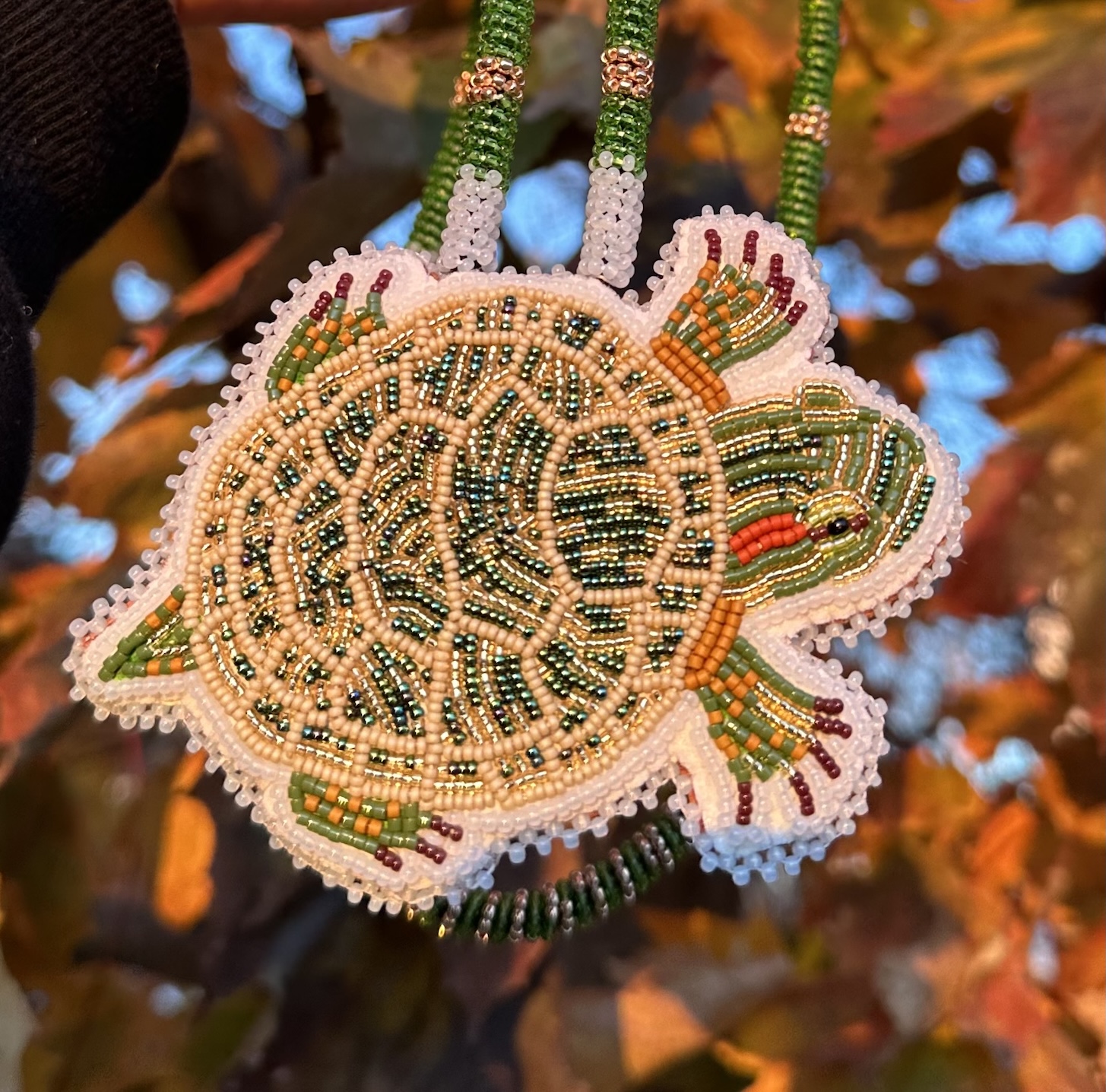
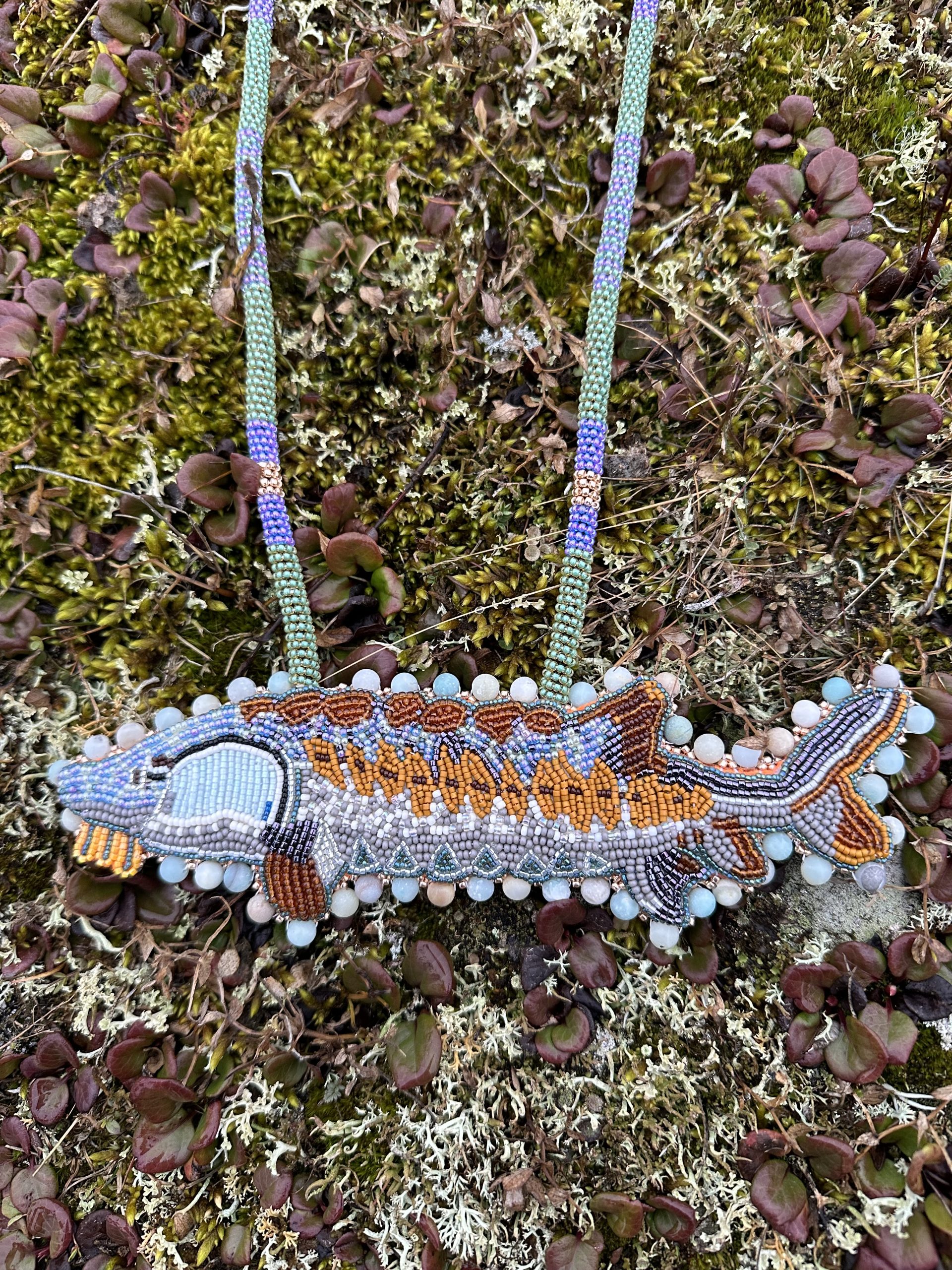
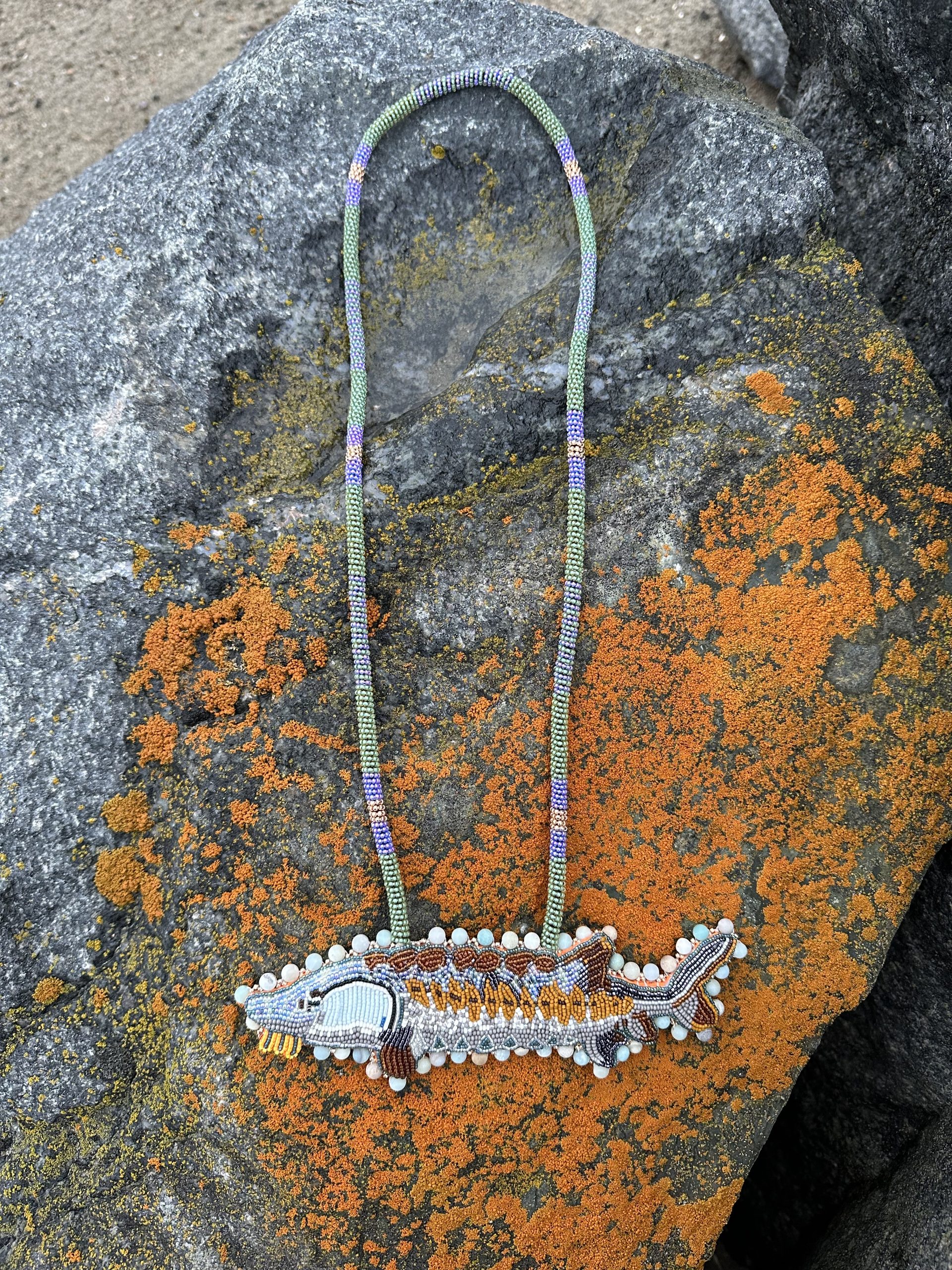
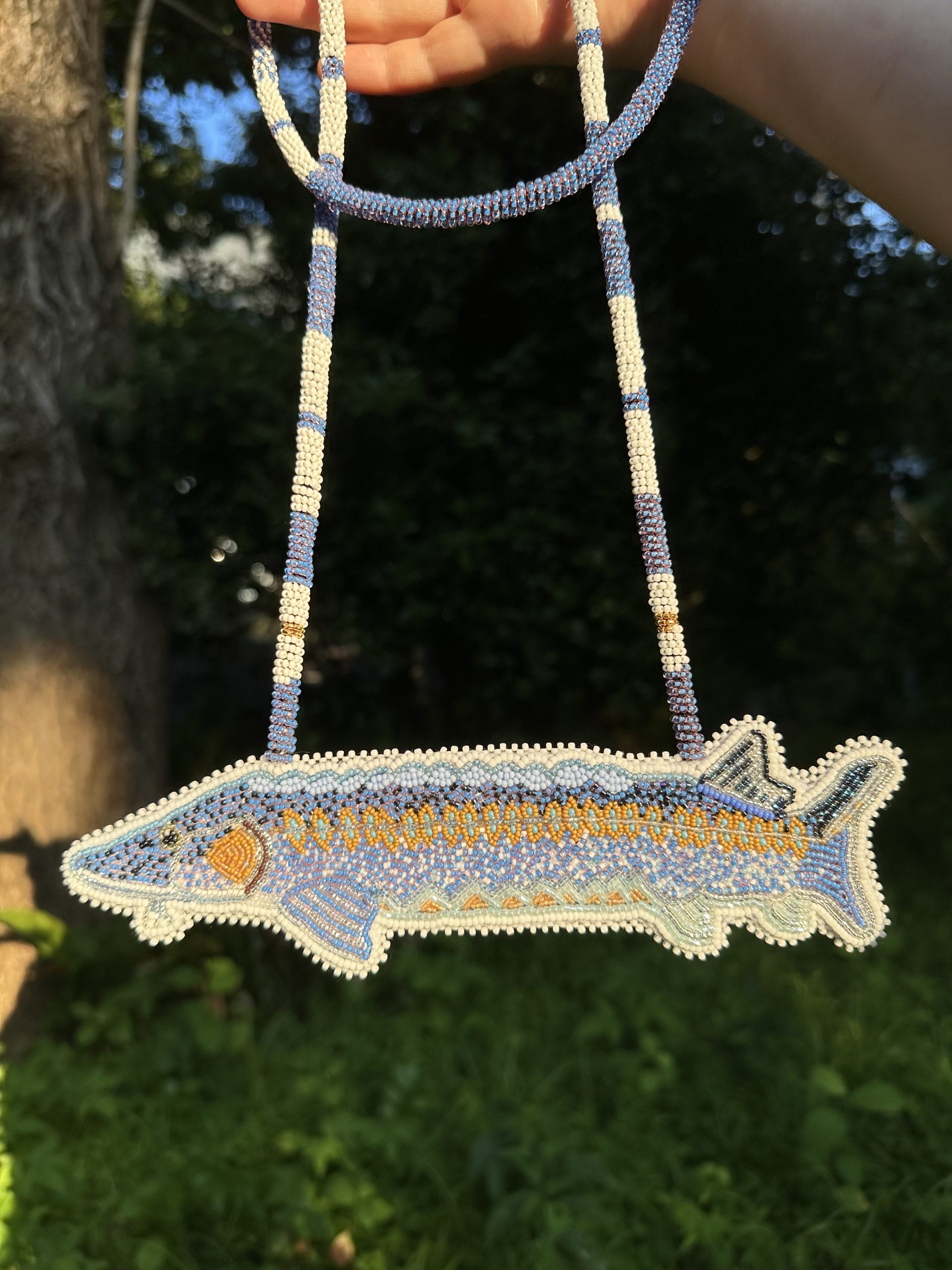
Isaac Partridge est un artiste multidisciplinaire bispirituel. C’est sa mère, Taqralik Partridge, qui lui a enseigné l’art du perlage dès l’âge de quatre ans, mais ce n’est que deux décennies plus tard qu’il a véritablement commencé à le pratiquer. Au fil des ans, il a franchi toutes les étapes menant à la maîtrise de son art, malgré les difficultés rencontrées pour créer ses propres motifs originaux et apprendre des techniques de perlage complexes. Il puise son inspiration dans tous les aspects de sa vie : son éducation en tant que Mohawk et Inuit, sa relation mère-fils, ainsi que dans la culture pop japonaise.
En 2020, il a participé à l’exposition en ligne Debout ensemble à travers l’art, où il a présenté sa vision de la pandémie en dessins. Cette expérience a été très enrichissante, et il se réjouit que les organisateurs aient reconnu en lui un artiste prometteur. « Il est positif de constater que de nouveaux artistes bénéficient d’un soutien », a-t-il déclaré. En 2022, sa mère l’a invité, avec sa sœur Akinasi Partridge, à prendre part à un projet d’envergure : un amautik sur toile intitulé Nunami. Cette œuvre a été présentée dans le cadre de l’exposition « Notre territoire, notre art » au Musée canadien de la nature, à Ottawa. Isaac a réalisé le travail de perlage de l’amautik, s’inspirant de la flore et de la faune nordiques. « J’étais très heureux et fier de participer à cette exposition », a-t-il déclaré.
Isaac s’intéresse également au théâtre et au cinéma. Il a notamment participé à une pièce de théâtre avec la troupe Aaqsiiq, assumant des responsabilités liées à la gestion des accessoires et des prises de vue, tout en interprétant un rôle. Il a incarné Itsi, un homme chauve qui montrait ses fesses le mauvais temps. Il aimait cette touche d’autodérision humoristique. Il a également réalisé un film intitulé Illuunnata Silami, portant sur les jeunes 2SLGBTQ+ vivant en milieu urbain et la manière dont les cultures et les communautés autochtones se transforment et évoluent grâce à eux, malgré les défis auxquels ils sont confrontés. Il a pu réaliser ce film avec l’aide de sa famille et de sa communauté.
Isaac participera prochainement à de nombreux événements passionnants, notamment l’exposition collectif Qillaniq, qui se tiendra à la Galerie nationale du Canada du 11 juin au 20 septembre. Cet événement permet aux artistes de s’exprimer librement et de créer des œuvres originales, malgré le contexte colonial dans lequel nous vivons. Il y présentera un portrait perlé représentant son grand-père, intitulé Threads of Imaapik. Il participera au festival du film queer de Toronto ainsi qu’au programme de mentorat du Collectif des commissaires autochtones, en tant que mentoré, de mai à septembre. Il est également inscrit au programme Tigulavut, un programme de formation en cinéma et télévision destiné aux jeunes Inuit, débutant à Ottawa le 1er juin et se terminant à Iqaluit en juillet. Pour lui, l’art est un moyen d’expression qui lui permet de raconter des histoires d’un point de vue personnel. Son art est profondément ancré dans sa vie.
Isaac Patridge is a 2-spirit multidisciplinary artist. His mother, Taqralik Partridge, taught him how to do beadwork at the age of 4, but it was only after 20 years that he was encouraged to resume his practice. Over the years he got through the steps of mastering his art despite all the challenges to create his own original designs and learning complex beading techniques. He gets his inspirations from all sorts of things in his life: his upbringing as a mohawk and inuk, his mother and son relationship and the Japanese pop culture. In 2020, Isaac was a part of the online exhibition Standing Together Through Art, where he had the opportunity to present his own perspective on the pandemic in drawings. This was a meaningful opportunity for him, and he was glad that the organizers saw some potential in him. He added “it was good to see new artists getting support”. In 2022, his mother invited his sister Akinasi Partridge and him to make a large canvas amautik art piece, called Nunami, to be presented in Our Land, Our Art exhibition at the Canadian Musuem of Nature in Ottawa. Isaac’s task was to do the beadwork of the amautik, inspired by the flora and fauna of the North. He said “I was very happy and proud to be a part of the exhibition”.
Isaac is also involved in Theater and Film. He was a part of a play with Aaqsiiq, helping with the props, filming and even performing. He had performed as a bald man named Itsi showing his cheeks for good weather; he liked the self-deprecation for humour. Partridge also made a film called Illuunnata Silami, in which he focuses on 2SLGBTQ+ youth living in urban centres and how Indigenous cultures and communities grow and evolve with young people despite the challenges they face. He was able to create the film with the help of his family and community.
Currently Isaac is having many wonderful events coming up. He is part of the upcoming group exhibition called Qillaniq at the National Gallery of Canada opening on June 11th and up until September 20th. The event has the artists express themselves truly, where they can create art out of the norm, despite the colonial foundations we live under. Isaac is presenting a beaded portrait of his grandfather titled Threads of Imaapik. Isaac is also attending the Toronto Queer Film Festival and Indigenous Curatorial Collective mentorship as a mentee, From May to September. And he is also part of the Tigulavut training program, a film and television training program for inuit youth starting in Ottawa on June 1st and finishing in Iqaluit in July. Art to Isaac is an outlet to express himself and tell stories from his perspective. His art is deeply connected to his life.
ᖃᐅᔨᒋᐊᑦᓯᐊᕈᒪᒍᕕᑦ ᓴᓇᖕᖑᐊᑎᐅᑉ ᒥᑦᓵᓄᑦ / Découvrir plus sur l’artiste / Know more about the artist:
Instagram
ᐱᔭᑦᓴᓯᐊᖁᑎᖓ / Projet spécial / Special Project
ᐊᓪᓚᑐᖅ | Texte de | Text by: Leo-Paul Ohaituk