ᓇᓕᕐᙯᑐᖅ | Janvier | January
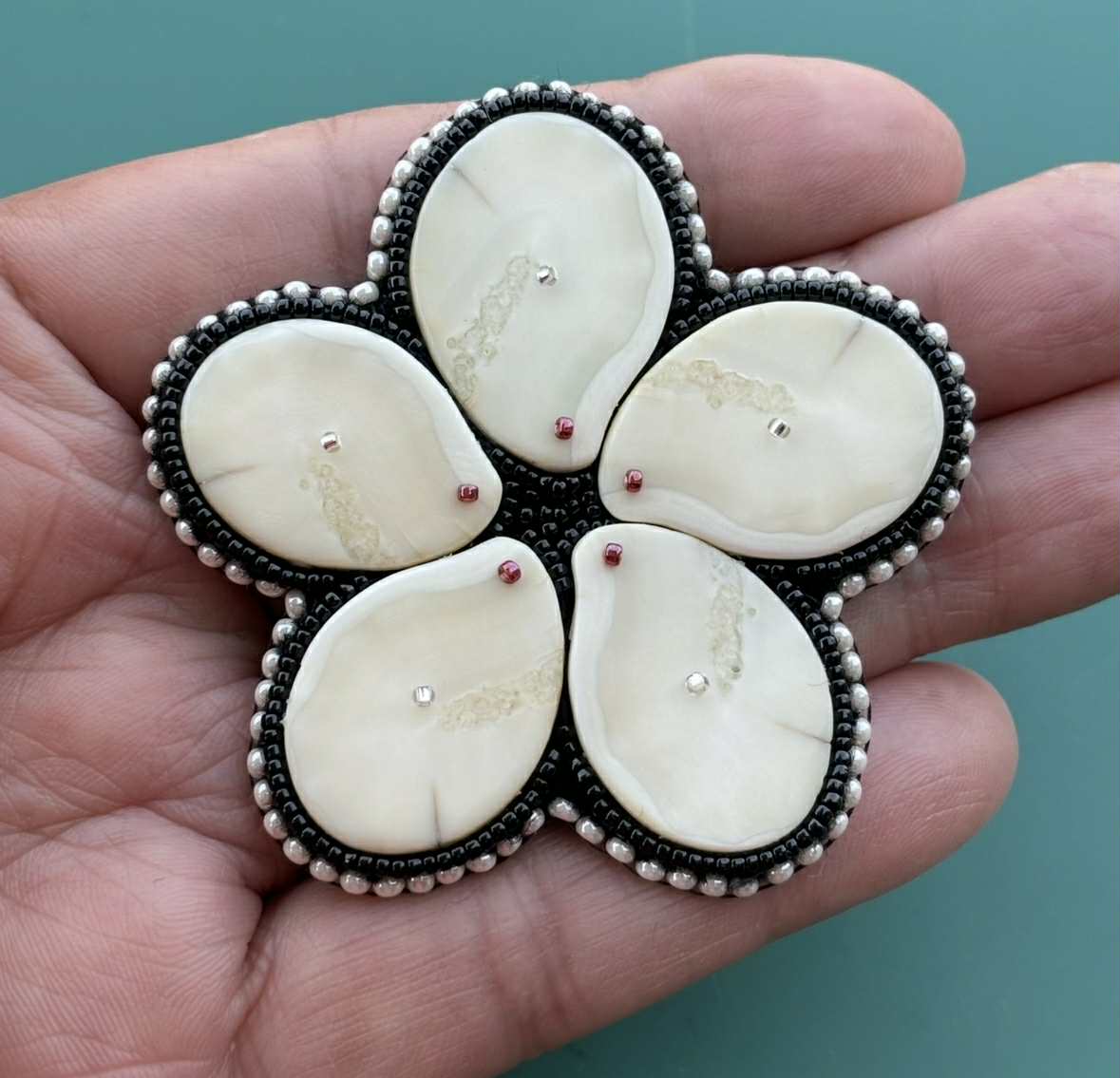
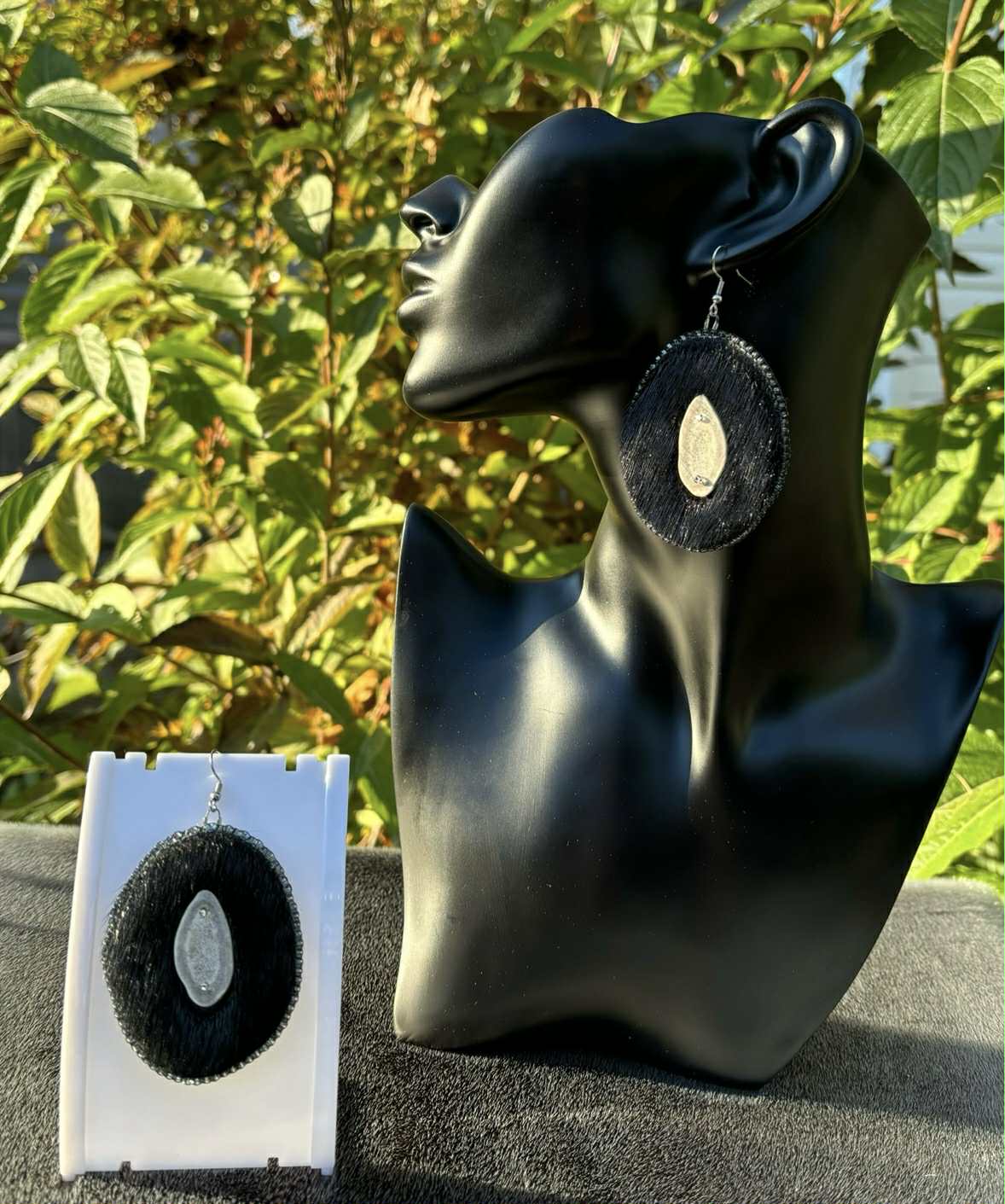
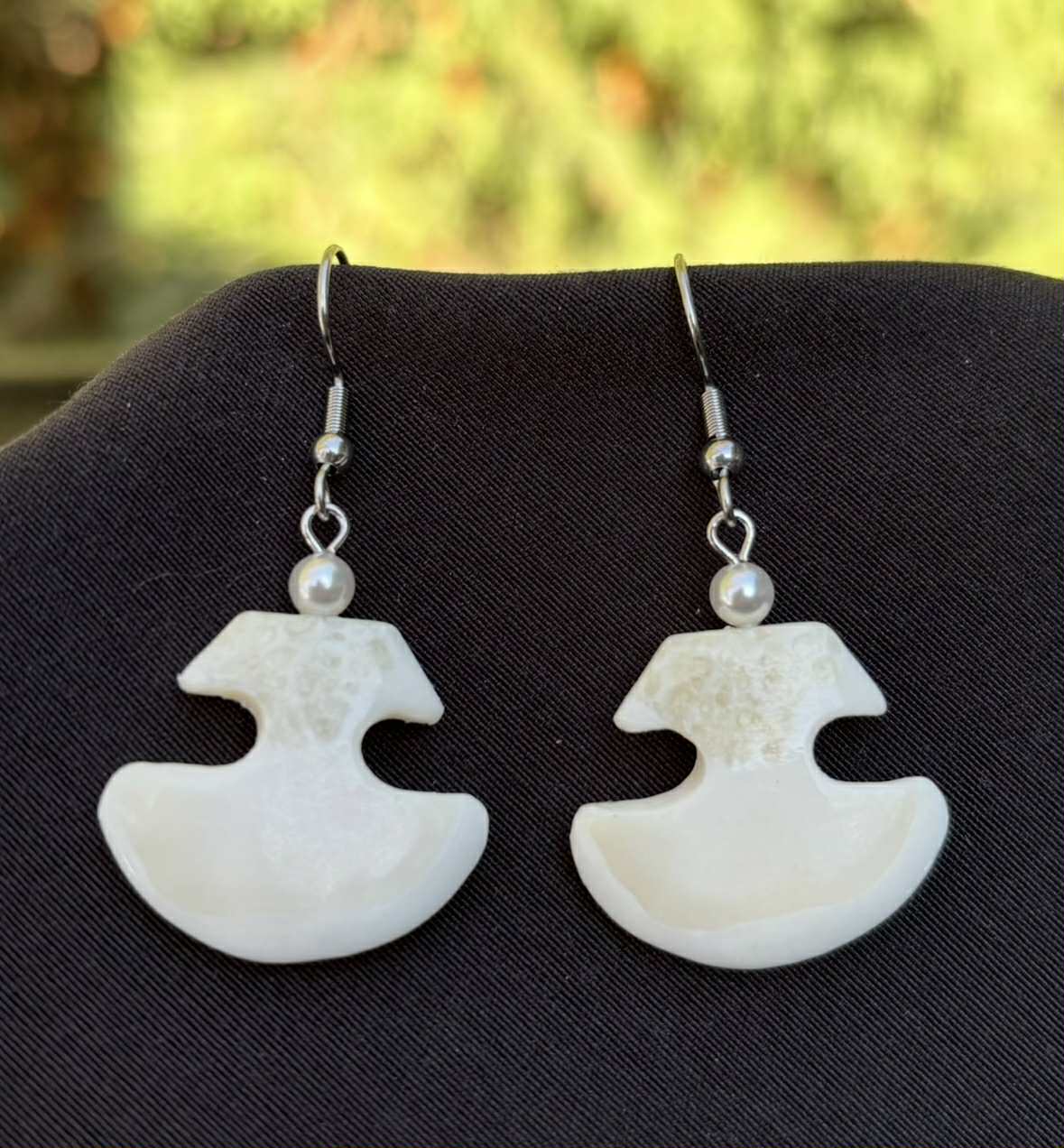
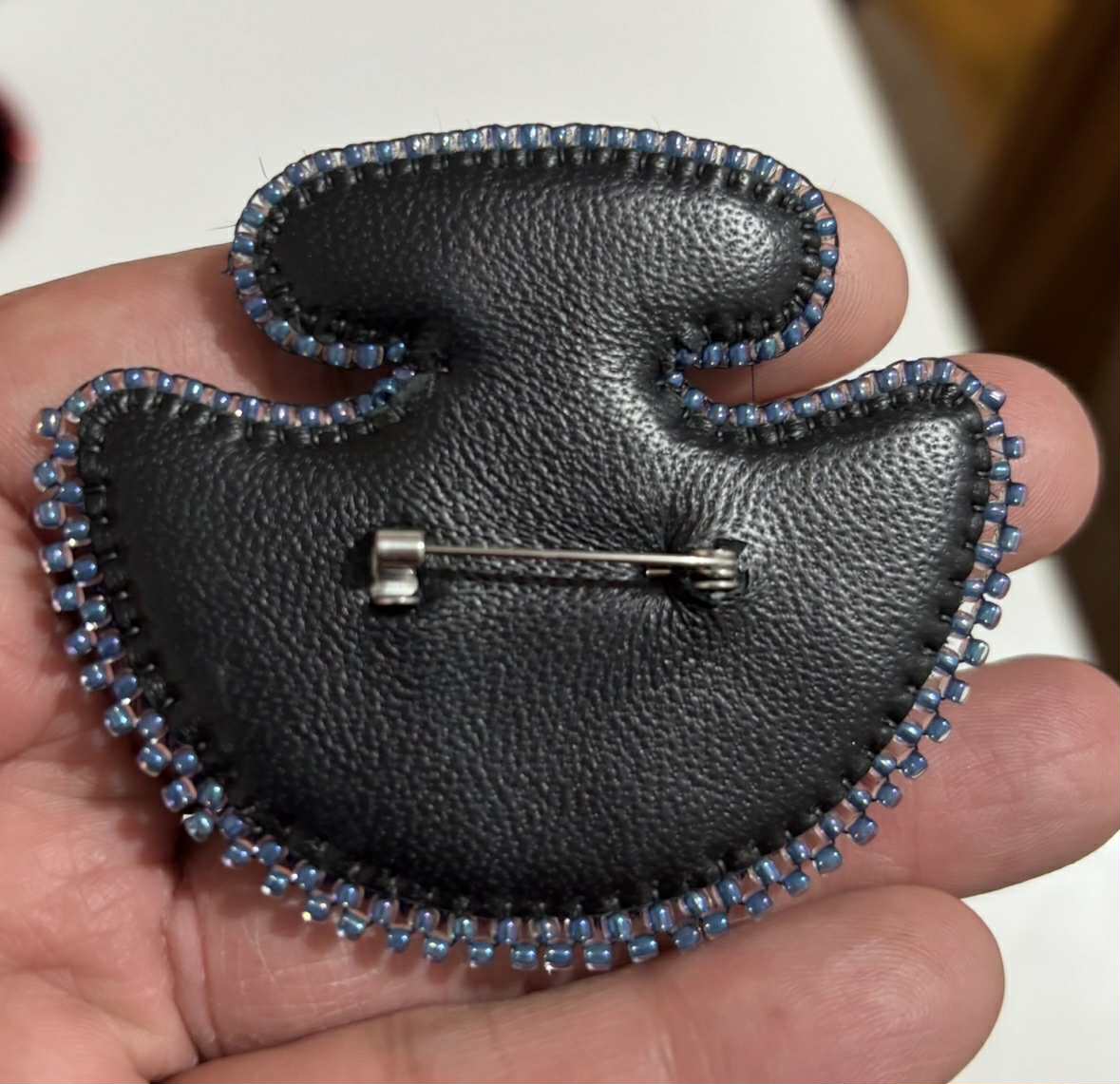
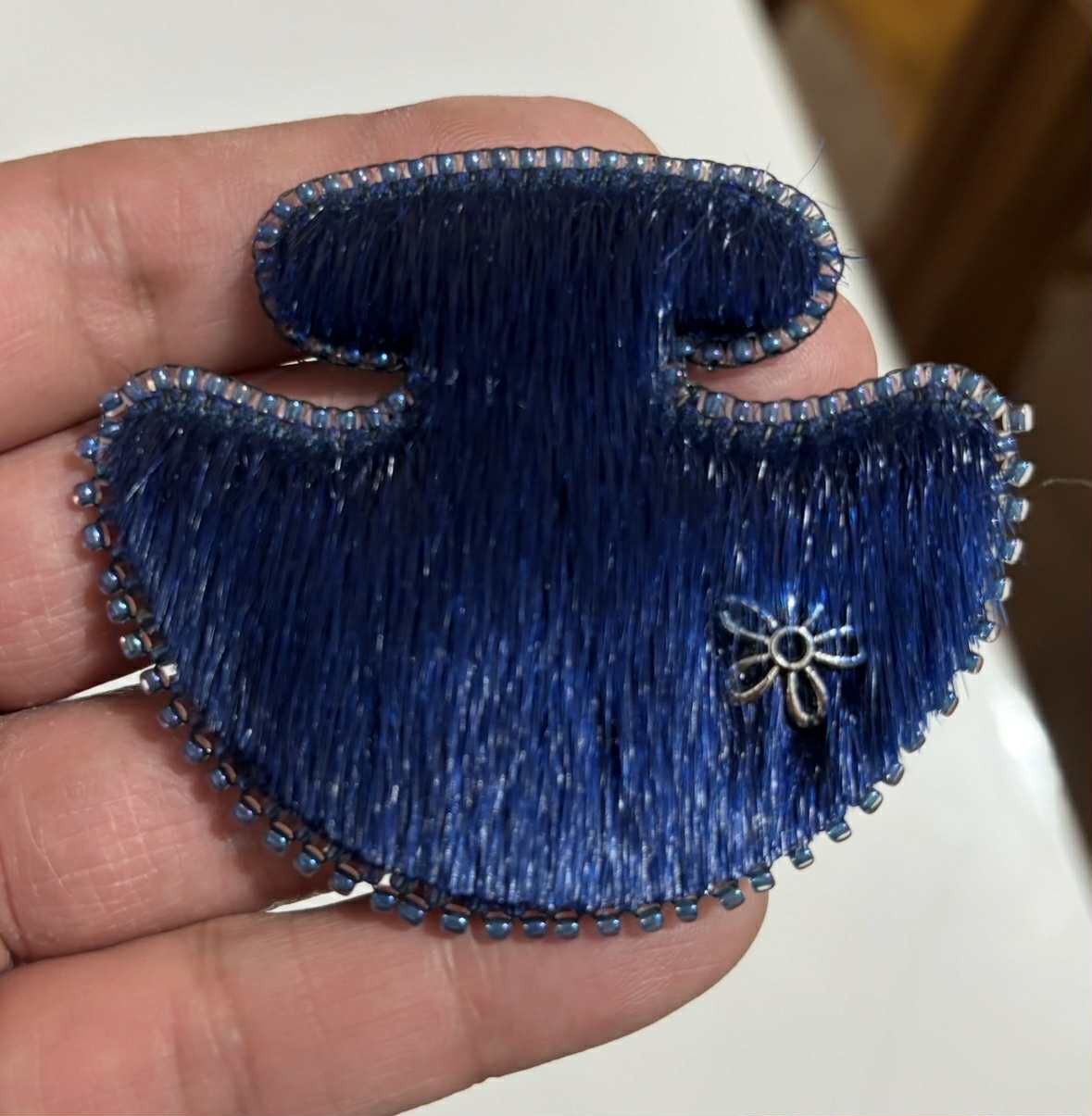
ᓖᑎᐊ ᐃᑦᑐᒃ ᑲᖏᕐᓱᐊᓗᑦᔪᐊᒥᐅᒍᓯᒪᔪᖅ. ᒪᓐᑐᔨᐊᓚᒥ ᐱᒋᐊᕐᑎᓯᓯᒪᔪᖅ ᐱᖁᓯᐅᕆᐅᕐᓴᑎᑦᓯᓂᕐᒥᒃ ᓴᐸᖓᓕᐅᕆᐅᕐᓴᑎᑦᓯᓂᕐᒥᒃ ᒪᓐᑐᔨᐊᓚᒥ. ᑲᑎᒪᓂᐊᕈᓯᖃᕐᑎᓯᓂᖓ ᐊᓂᒍᕐᒪᑦ, ᐱᔭᕇᕐᓯᒪᓕᕐᓱᓂ ᒪᕐᕈᐃᓂᒃ ᓴᐸᖓᓂᒃ ᐱᖁᑎᓂᒃ ᓯᐅᒻᒥᐅᑖᓐᓂᒃ, ᑲᑎᓯᓚᐅᔫᖅ ᐱᓇᓱᐊᖃᑎᒥᓂᒃ ᒪᑭᕝᕕᑯᓐᓂ, ᐃᓱᒪᑦᓴᓯᐅᕐᕕᒋᑦᓱᒋᑦ ᐊᒻᒪᓗ ᖃᐅᔨᒋᐊᕐᕕᖃᓂᒃ ᐱᕕᒋᑦᓱᒋᑦ ᓄᐃᑦᓯᒍᒪᑦᓱᓂ ᓯᕗᓪᓕᐹᒥ ᓴᓇᖕᖑᐊᓯᒪᔪᓂᒃ ᓂᐅᕐᕈᓭᑎᑦᓯᓂᐅᒐᔭᕐᑐᒥᒃ ᒪᑭᕝᕕᑯᑎᒍᑦ 2014 ᐊᒻᒪᓗ 2015 ᐊᑯᓐᓂᖓᓂ. ᒪᑭᕝᕕᑯᑦ ᐊᕐᖁᑕᐅᑎᓗᒋᑦ ᓴᓇᖕᖑᐊᓯᒪᔪᓂᒃ ᓂᐅᕐᕈᑎᑦᓴᖃᕐᓂᐅᑉ ᐱᑦᓯᐊᓂᖃᕐᓂᖓ ᒪᓕᑦᓱᒍ, ᑲᔪᓯᑎᑦᓯᓯᒪᔪᖅ ᓴᓇᖕᖑᐊᒐᕐᓂᒃ ᑕᑯᒥᓇᕈᑎᓂᒃ ᕿᓯᔭᕐᓂᒃ ᓴᓇᐅᒐᕐᓯᒪᔪᓂᒃ ᑌᒪᓗ ᒥᕐᓱᓯᒪᔪᓂᒃ. ᓴᓇᖕᖑᐊᓯᒪᔭᖏᑦ ᐋᕐᕿᓱᕐᓯᒪᔪᑦ ᐃᓄᓐᓄᑦ ᐊᕐᓇᓄᑦ ᐊᑐᕆᐊᒥᒃ ᐅᐱᒪᒋᔭᑦᓴᕆᔭᖏᓐᓂ ᑕᑯᕙᓪᓚᑕᐅᑎᒋᐊᕐᐸᓗᒋᓪᓗ ᐱᐅᒋᔭᐅᓗᑎᒃ ᐊᒻᒪᓗ ᐊᑐᕆᐊᒥᒃ ᐊᓕᐊᓇᕐᓗᑎᒃ. ᑌᒣᓘᕐᓗᓂ, ᓯᐊᒻᒪᑎᑦᓯᓚᕿᓗᓂ ᐃᓄᐃᑦ ᐱᐅᓯᑐᖃᕆᑦᓱᒋᑦ ᐊᓐᓂᓇᕐᑐᖁᑎᖏᓐᓂᒃ.
ᐃᑦᑐᖅ ᓯᓚᕐᔪᐊᓕᒫᒥ ᓂᒪᕐᐸᒥᔪᖅ ᐃᓚᐅᕕᐅᕕᒻᒦᖃᑕᐅᑦᓱᓂ ᑕᑯᒥᓇᕐᑐᓕᐅᕐᑎᓂᒃ ᑲᒪᔨᒻᒪᕆᒻᒧᑦ ᑐᖓᓕᕆᔭᐅᑦᓱᓂ ᐅᑯᓇᓂ, ᐊᒃᑐᐁᑯ Oktoécho, ᓯᕗᓕᕐᑕᐅᔪᓄᑦ ᑐᑭᒧᐊᑦᑎᓯᔨᒧᑦ ᑲᑎᐊ ᒪᒃᑎᓯ-ᕗᐊᔭᓐᒧᑦ. ᐃᓚᒌᑦᑐᑦ ᐃᓚᐅᕕᐅᑦᓱᑎᒃ ᑕᑯᒥᓇᕐᑐᓕᐅᕐᑎᓄᑦ ᑐᓴᕐᓂᔮᕐᑎᓯᔨᓄᑦ ᐱᓯᒪᔪᓄᑦ ᓯᓚᕐᔪᐊᓕᒫᒥ ᐱᒋᐊᕐᕕᐅᑎᓗᒍ ᐁᔨᑉ ᐋᕐᔭᓐᑏᓇᒧᑦ ᑌᒪᓗᒐᓴᒃ ᑯᐯᒻᒧᑦ, Oktoécho ᓄᐃᑕᓯᒪᔪᑦ ᐃᓂᖃᕐᓱᑎᒃ ᐅᑯᐊ ᐆᑦᑑᑎᒋᑦᓱᒋᑦ, Off- Festival de Jazz de Montréal ᐊᒻᒪᓗ Festival Présence Autochtone. ᑖᒃᑯᓇᓂ ᓖᑎᐊᑉ ᐃᑦᑐᖅ, ᓃᓇ ᓯᑲᓗᕕᑦᔅ ᐊᒻᒪᓗ ᐁᓕᐊᓐ ᒪᕐᑎᐊᓪ, ᐃᖕᖏᓯᓚᐅᔫᑦ ᓭᒪᓂᖅ ᐅᐊᕈᑎᒌᑦᑎᓯᑦᓱᑎᒃ ᐱᐅᓯᑐᖃᕐᑎᒍᑦ ᐃᓄᐃᑦ ᑲᑕᑦᔭᕈᓯᖏᓐᓂᒃ – ᑐᓴᕐᓂᔮᕐᑎᓯᔨᐅᖃᑎᒥᓂᒃ ᐁᑉᐸᖃᕐᓱᓂ ᓃᓇ ᓯᑲᓗᕕᔅᑦ ᑲᑕᑦᔭᕈᓯᒥᓂᒃ ᑲᑐᑦᔭᕈᑎᖃᕐᑎᓗᒍ ᓖᑎᐊ ᐃᑦᑑᑉ ᓚᒍᑎᒋᓚᐅᔪᔭᖓ: “ᑲᑕᑦᔭᓂᖅ ᐃᓄᐃᑦ ᐃᓕᕐᖁᓯᑐᖃᖓ ᑌᒣᒻᒪᑦ ᑲᑕᑦᔭᕈᓯᖅ ᐊᔪᕆᔭᐅᓯᒪᒋᐊᓕᒃ
ᐯᕆᔭᐅᑦᓯᐊᓗᓂ”.
ᑌᒣᒃᑯᐊᒥᑎᑎᑐᑦ ᑲᑕᑦᔭᓂᕐᒥᒃ ᐆᑦᑐᓯᒪᑦᓱᑎᒃ, ᐃᑦᑐᖅ ᓯᕗᓪᓕᐹᒥ ᐃᓱᕐᕆᓯᐊᓚᐅᕐᓯᒪᖕᖏᑐᖅ ᐅᐊᕈᑎᒌᑦᑎᓯᒋᐊᒥᒃ ᑲᑕᑦᔭᓂᕐᒥᒃ ᐃᓄᑐᐃᓐᓇᐅᖏᑦᑐᑦ ᑐᓴᕐᓂᔮᕐᑎᓯᐅᑎᑦᓴᔭᖏᑦ ᐃᓚᐅᑎᓗᒋᑦ ᖃᐅᔨᒪᓚᐅᔪᖕᖏᓇᒥ ᑲᑕᑦᔭᑎᓄᑦ ᐊᓕᐊᒋᔭᐅᓚᖓᒋᐊᒥᒃ ᐃᓕᔨᔪᕕᓂᐅᑉᐸᑦ ᑲᑕᑦᔭᓂᕐᒥᒃ ᐃᓚᐅᑎᑦᓱᒍ ᐃᓄᑐᐃᓐᓇᐅᖏᑦᑐᑦ ᑐᓴᕐᓂᔮᕐᑎᓯᓂᖏᓐᓄᑦ, ᐅᖄᖃᑎᖃᕐᓯᒪᓕᕐᑐᖅ ᑲᑕᑦᔭᑎᐅᖃᑎᒥᓂᒃ ᖃᓄᐃᑦᓴᖏᓐᓂᖏᓐᓂᒃ ᑐᑭᓯᒋᐊᕐᕕᒋᑦᓱᒋᑦ ᑲᔪᓯᒍᓂᓗ ᐱᓇᓱᐊᖃᑎᖃᕆᐊᒥᒃ Oktoécho-ᒃᑯᓂᒃ. ᐊᒥᓱᑦ ᐅᑉᐱᕆᔭᖃᕐᒪᑕ ᑲᑕᑦᔭᓂᐅᑉ ᐃᑦᔪᓀᑦᑑᒋᐊᖓᓂᒃ ᐱᐅᓯᑐᖃᐅᓂᕐᒥᓄᑦ ᐃᓚᐅᑎᑕᐅᕙᒋᐊᖃᕋᓂ ᓯᓚᑖᓂᒥᐅᓄᑦ ᑐᓴᕐᓂᔮᕐᑎᓯᐅᑎᑦᓴᔭᓄᑦ ᐊᒻᒪᓗ ᑲᑕᑦᔭᓂᐅᑉ ᑖᓐᓇᑑᑎᓗᒍ ᓂᑦᔮᕈᑕᐅᕙᒋᐊᖃᕐᓂᖓ ᐃᓚᖃᕐᑎᑕᐅᒍᓐᓀᓗᓂ. ᐃᓚᖏᑦ ᐱᑦᔪᑎᐅᖃᑦᑕᓚᐅᔫᑦ ᐅᐊᕈᑎᖃᕐᑎᑕᐅᒍᑕᐅᑦᓱᑎᒃ ᑲᑕᑦᔭᓂᕐᒥᒃ ᐃᓄᐃᑦ ᑐᓴᕐᓂᔮᕐᑎᓯᐅᑎᑦᓴᔭᖏᓐᓅᖏᑦᑐᑦ “ᐅᕕᒐᕐᓂᓴᓂᒃ ᐃᓄᓐᓂᒃ ᐱᐅᑦᓴᑎᑦᓯᒐᓱᐊᕐᓂᖅ, ᖃᐅᔨᒋᐅᕐᑕᐅᖃᑦᑕᓗᓂ ᐊᒻᒪᓗ ᑲᑕᑦᔭᓂᕐᒥᒃ ᐱᒋᐅᕐᓴᐅᑎᖃᕈᒪᓚᕿᓗᒋᑦ.” ᑕᕐᕋᓕᐊᕐᓯᒪᒻᒥᔪᖅ ᓄᓇᕕᒻᒧᑦ ᑐᓴᕐᓂᔮᕐᑎᓯᔨᖏᑦ Oktoécho-ᒃᑯᑦ ᐃᓚᒋᑦᓱᒋᑦ, ᑖᒃᑯᐊᓗ ᓯᕗᓪᓕᐹᒥ ᓄᓇᕕᓕᐊᕆᐅᓚᐅᕐᓯᒪᑦᓱᑎᒃ. ᐅᒥᐅᔭᓕᐊᕐᖄᓱᑎᒃ ᔫᓂᒥ ᐊᒻᒪᓗ ᑲᖏᕐᓱᔪᐊᒧᑦ ᔫᓓ 2025-ᒥ, ᑲᑕᑦᔭᓂᕐᒥᒃ ᑲᑎᒪᓂᐊᕈᓯᖃᕐᑎᓯᒋᐊᕐᑐᓱᑎᒃ ᑲᒃᑲᓛᑦ ᐃᓕᓴᕐᓱᒋᑦ ᑲᑕᑦᔭᓂᕐᒥᒃ. ᐊᒻᒪᓗ ᑐᓴᕐᓂᔮᕐᑎᓯᐅᑎᓂᒃ ᐊᑐᕆᐅᕐᓴᑎᑦᓯᓱᑎᒃ ᑲᒃᑲᓛᓂᒃ ᐊᒻᒪᓗ ᐆᑦᑐᕋᕐᑎᓯᖃᑦᑕᓱᑎᒃ ᐊᑦᔨᒌᖕᖏᑐᓂᒃ ᑐᓴᕐᓂᔮᕐᑎᓯᐅᑎᓂᒃ ᐊᒻᒪᓗ ᑲᑕᑦᔭᓂᐅᑉ ᐱᓯᑎᐅᒍᑕᐅᒍᓐᓇᓂᖓᓂᒃ. ᐃᑦᑐᖅ, ᑲᒃᑲᓛᑦ ᐊᒻᒪᓗ ᑐᓴᕐᓂᔮᕐᑎᓯᔩᑦ ᐊᓕᐊᒋᔭᖃᒻᒪᕆᓚᐅᔫᑦ ᑖᒃᑯᓂᖓ ᑲᑎᒪᓂᐊᕈᓯᓂᒃ. ᓯᕗᓂᕐᒥ ᑲᑎᒪᓂᐊᕈᓯᖃᕐᑎᓯᒋᐊᓪᓚᕈᒪᔪᖅ ᐊᒻᒪᓗ ᐃᓕᓴᕐᓗᒋᑦ ᐅᕕᒃᑫᑦ ᐊᒻᒪᓗ ᑲᒃᑲᓛᑦ ᐱᑎᓚᕿᒋᐊᕐᓗᒋᑦ ᐱᔪᑦᓴᐅᔮᕐᓂᒥᒃ.
ᐅᓪᓗᒥᓕ, ᐃᑦᑐᖅ ᑲᑕᑦᔭᖃᑎᖃᑦᓯᐊᓚᐅᕐᓯᒪᒍᓐᓀᑐᖅ Oktoécho-ᑯᓂᒃ ᐅᓪᓗᑯᑦ ᐱᓇᓱᒐᕐᒥᓂᒃ ᐱᑦᔪᑎᖃᕐᓱᓂ. ᑖᒃᑯᓂᖓ Oktoécho-ᑯᓂᒃ ᒪᕐᕈᕕᓪᓗᓂᐅᓐᓃᑦ ᐊᑑᑎᑎᑦᓯᖃᑎᖃᕈᒫᕐᓂᐊᖏᓐᓈᓱᓂ ᐊᒻᒪᓗ ᑲᑎᒪᓂᐊᕈᓯᖃᕐᑎᓯᖃᑎᒋᓗᒋᑦ ᓯᓚᕐᔪᐊᓕᒫᒥ ᓇᓂᑐᐃᓐᓇᖅ. ᑲᑕᑦᔭᕆᐊᕐᑐᓛᕐᓂᐊᓕᕐᒥᓱᓂᓗ ᓯᓓᒥ ᔭᓄᐊᔨ 2026-ᒍᓕᕐᐸᑦ, ᑲᑎᒪᓂᐊᕈᓯᖃᕐᑎᓯᓗᓂᓗ ᐁᐸᔭᓕᐅᓕᕐᐸᑦ ᓴᓈᖅ ᐃᓪᓗᖁᑎᖓᓂ, ᑕᑯᓐᓇᐅᔮᕐᑕᐅᒋᐊᕐᑐᓗᓂᓗ ᕆᒨᔅᑭᒥ ᔪᓓᒥ ᐊᒻᒪᓗ ᒪᕐᕈᕕᓪᓗᓂ ᑕᑯᓐᓇᐅᔮᕐᑎᓯᒋᐊᕐᑐᓗᓂ ᐊᔅᑐᕃᓕᐊᒥ ᓯᑉᑎᒻᐸᐅᓕᕐᐸᑦ. ᐱᖁᓯᐅᕐᓯᒪᔪᓂᓗ ᓴᐸᖓᓂᒃ ᑕᑯᒥᓇᕈᑎᓕᐅᕈᒪᓪᓚᕆᖏᓐᓈᓱᓂ.
Lydia Etok est originaire de Kangiqsualujjuaq. Elle a commencé son parcours dans le domaine des métiers d’arts en participant à un atelier de perlage à Montréal. Après avoir fabriqué quelques boucles d’oreilles ornées de perles, elle a organisé, entre 2014 et 2015, sa première expo-vente en collaboration avec des collègues de Makivvik. Inspirée par le succès de cette vente, elle a continué à fabriquer des bijoux en peau de phoque, puis s’est tournée vers la sculpture et la couture. Ses créations sont conçues pour que les femmes inuit soient fières de les porter, mais elles s’adressent également à un public plus large qui peut les apprécier et les porter. Elle diffuse ainsi les valeurs traditionnelles inuit.
Lydia parcourt également le monde avec Oktoécho, un groupe qu’elle codirige avec la compositrice Katia Makdissi-Warren. Composé d’artistes originaires des quatre coins du monde, de l’Égypte à l’Argentine en passant par le Québec, Oktoécho s’est produit dans des événements tels que l’Off Festival de Jazz de Montréal et le Festival Présence autochtone. Lydia Etok, Nina Segalowitz et Hélène Martel interprètent Saimaniq, un mélange de chant de gorge traditionnel inuit et d’instruments issus de diverses cultures. Cependant, elle veille à ce que son katatjaniq et celui de sa partenaire de chant de gorge, Nina Segalowitz, restent inchangés. Lydia Etok estime en effet que « l’art du katatjaniq est sacré et que son intégrité doit être respectée et protégée ».
Tout comme ses collègues interprètes de katatjaniq, Lydia Etok était initialement réticente à l’idée de mélanger ce chant traditionnel à des instruments non inuit, car elle ne savait pas si la communauté des chanteuses de gorge accepterait cette idée. Elle a donc discuté avec ses collègues pour s’assurer de leur soutien avant de poursuivre sa collaboration avec Oktoécho. Beaucoup estiment en effet que le chant de gorge est une tradition sacrée qui ne doit pas être associée à des instruments extérieurs. Pour d’autres, combiner le katatjaniq avec de la musique non inuit permet de « susciter l’intérêt des jeunes générations inuit, en éveillant leur curiosité et leur inspiration pour la pratique du katatjaniq ».
Elle s’est rendue au Nunavik en compagnie de musiciens d’Oktoécho, qui visitaient la région pour la première fois, afin d’animer des ateliers de chant de gorge pour les enfants à Umiujaq en juin et à Kangiqsujuaq en juillet 2025. Les artistes ont également proposé des ateliers permettant aux enfants de découvrir divers instruments et de s’initier au katatjaniq. Les enfants et les musiciens ont passé un excellent moment lors de ces ateliers animés par Etok. Elle espère organiser d’autres ateliers à l’avenir pour transmettre son savoir et inspirer les jeunes générations.
Ces derniers temps, Etok a réduit ses activités de chant de gorge avec Oktoécho, car elle travaille à temps plein. Elle participe toutefois encore à quelques événements et ateliers avec Oktoécho à travers le monde. Elle se produira au Chili en janvier 2026, animera un atelier au centre Sanaaq en avril, se produira à Rimouski en juillet et donnera plusieurs spectacles en Australie en septembre. Elle continue également de se perfectionner dans la fabrication de bijoux.
Lydia Etok is originally from Kangiqsualujjuaq. She started out crafting through a beading workshop in Montréal. After the workshop, having made a couple beaded earrings, She met with her colleagues at Makivvik, pulling their ideas and networks to create the first craft sale in Makivvik sometime between 2014 and 2015. Inspired by the success of the Makivvik craft sale, she continued making jewelry out sealskin to carving then to sewing. Her pieces are for inuit women to be proud to wear but also for a broader audience to appreciate and wear as well. Thus, spreading inuit traditional values.
Etok is also traveling around the world with the group she is a Co-artistic director of, Oktoécho, led by composer Katia Makdissi-Warren. The group consisting of artists from all over the world from Egypt to Argentina to Quebec, Oktoécho has performed in venues like, Off- Festival de Jazz de Montréal and Festival Présence Autochtone. Where Lydia Etok, Nina Segalowitz and Hélène Martel sings Saimaniq blending traditional inuit throat-singing with instruments from all sorts of cultures. But she has made sure, that her and her throat-singing partner Nina Segalowitz’s katatjaniq were unchanged as Lydia Etok believes: “The art of Katatjaniq is sacred therefore the art and integrity must be respected and protected.”.
Like her peers who had experimented with katatjaniq, Etok initially felt uneasy with mixing katatjaniq with non-inuit instruments as she did not know whether the throat-singing community would accept the idea of adding katatjaniq to non-inuit music, she had spoken with her fellow throat-singers to make sure it was okay to continue with the collaboration with Oktoécho. Many believe that throat-singing is a very sacred tradition not to be mixed with any outside instruments and that throat-singing can stand on its own. some other’s reason to mix katatjaniq with non-inuit music is to “appeal to the younger generations of inuit, drawing curiosity and inspiration to the practice of katatjaniq.” She also has gone up north to Nunavik with musicians from Oktoécho. this would be the first time being in nunavik for Oktoécho. going to Umiujaq first in June and Kangiqsujuaq in July 2025, to do some throat-singing workshops for the kids to learn how to katatjaq. As well as doing instrument workshops to teach the kids on how to play instruments and experiment with the instruments and the art of katatjaniq. Etok, the kids and musicians had a great time doing those workshops. Her hope to do more workshops in the future and to pass the knowledge to the younger generations and to instill inspiration to the kids.
These days, Etok has cut down on her throat-singing with Oktoécho due her regular day job. Although, she still has a couple events and workshops with Oktoécho she will be doing around the world. She will be throat-singing in Chile in January 2026, a workshop in April at the Sanaaq centre, a performance in Rimouski in July and a couple shows in Australia in September. She is also still pushing herself in jewelry making.
ᖃᐅᔨᒋᐊᑦᓯᐊᕈᒪᒍᕕᑦ ᓴᓇᖕᖑᐊᑎᐅᑉ ᒥᑦᓵᓄᑦ / Découvrir plus sur l’artiste / Know more about the artist:
Instagram
ᐊᓪᓚᑐᖅ | Texte de | Text by: Leo-Paul Ohaituk